China Best AOC Cable Suppliers for Global Buyers
Choosing the right aoc cable supplier can influence network stability, installation time, and long-term operating costs. Global buyers need more than attractive quotations. They need verified performance, clear documentation, and dependable communication across borders.
This guide examines China-based suppliers serving data centers, enterprise networks, server rooms, and high-performance computing projects. It considers fiber type, connector options, transmission rates, active components, cable lengths, and compatibility with major equipment brands. Practical supplier experience matters here. A cable may pass a basic test yet fail during dense rack installation or extended operation. That detail is easy to overlook.
Look for factories with controlled production lines, traceable materials, and documented quality procedures. Ask for test reports, sample units, labeling photographs, and packaging details before placing a larger order. Reliable suppliers should explain insertion loss, bend performance, temperature limits, and warranty terms without vague claims. They should also support customization when standard lengths do not fit your cabinets.
Not every supplier is equally transparent.
Some catalogs appear stronger than factory reality. That deserves careful review. Site audits, third-party testing, and sample validation can reduce uncertainty, although none removes every risk. Buyers should compare response speed, engineering support, production capacity, and after-sales service alongside price. The best China aoc cable suppliers combine technical competence with honest communication, stable quality, and realistic delivery commitments. This overview helps global purchasers assess those factors with greater confidence.
What AOC Cables Are and Why Global Buyers Use Them
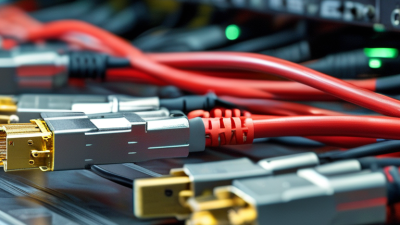
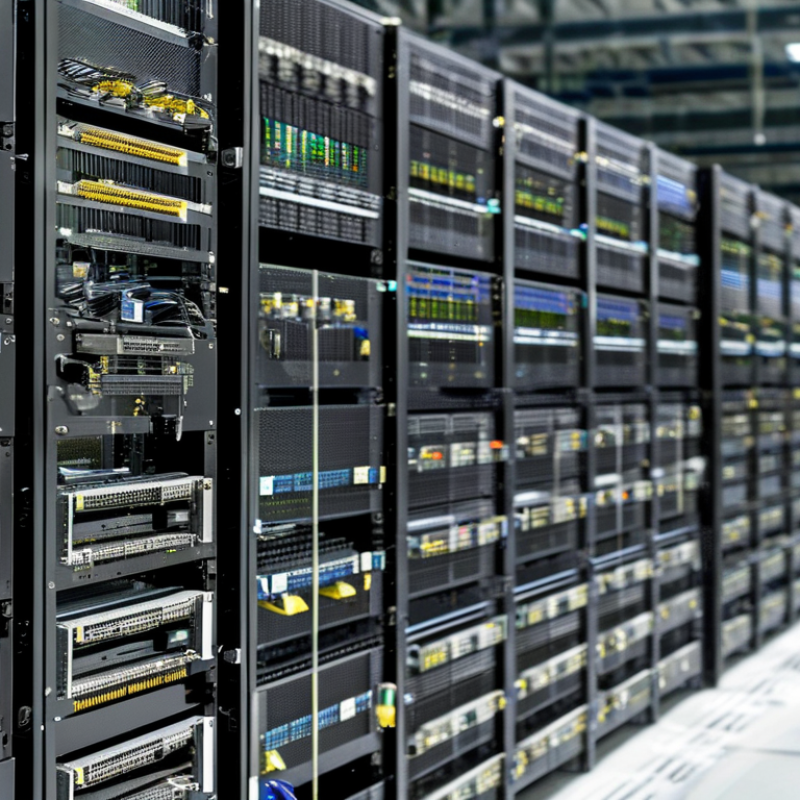
AOCs, or active optical cables, combine optical transceivers, fiber, and electrical connectors in one factory-assembled cable. They convert electrical signals into light, then back again at the opposite end. This design supports high-speed links across servers, switches, storage systems, and data-center racks.
The difference is practical. AOC cables usually weigh less than comparable copper assemblies and resist electromagnetic interference. Their fixed construction also reduces connector handling and installation errors. The 2024 MarketsandMarkets analysis forecasts double-digit growth for the active optical cable market, driven mainly by data-center networking and rising bandwidth demand. The 2024 Uptime Institute Global Data Center Survey reported that 54% of serious outages caused costs above 100,000 US dollars. Reliable, correctly tested links therefore matter. AOC cables cannot prevent every outage, but they can remove some avoidable connection problems.
Global buyers often source AOCs from China because suppliers offer broad interface options, custom lengths, and competitive production capacity. Procurement teams should request insertion-loss results, temperature testing, bend-radius limits, and compatibility records. Do not rely on price alone. The cable may pass a short factory test but fail in a crowded rack or warm server room. That is an uncomfortable possibility. It deserves attention. Supplier audits, sample testing, and documented quality control provide stronger evidence than attractive product pages. AOC selection should match port speed, transmission distance, operating temperature, and the buyer’s actual network design.
Leading China AOC Cable Supplier Types and Product Capabilities
China Best AOC Cable Suppliers for Global Buyers
Leading China AOC Cable Supplier Types and Product Capabilities
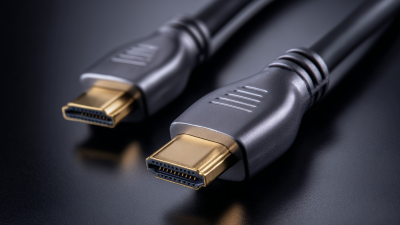
China’s AOC cable suppliers usually serve three markets: standard retail, project procurement, and custom OEM production. Their product ranges often include HDMI, DisplayPort, USB, Ethernet, and high-speed data cables. These cables combine optical fiber with electrical connectors. They reduce signal loss across long distances and help control electromagnetic interference.
Experienced suppliers can provide lengths from one to 100 meters, depending on the interface and bandwidth. Many support passive or active equalization, metal or molded housings, and reinforced strain relief. For data-center projects, buyers should request information about transmission speed, bend radius, operating temperature, and connector durability. A reliable factory should also provide continuity tests, optical performance records, and sample inspection results.
Custom capability matters when equipment uses unusual port spacing or strict installation routes. Some suppliers adjust cable jackets, connector shells, labels, and packaging for different markets. However, a large catalog does not prove stable production. Sample cables may perform well, while later batches show inconsistent soldering or fiber alignment. That risk deserves attention. Buyers should compare samples with mass-production units and verify testing procedures on the factory floor. Clear drawings, traceable materials, and responsive technical support usually reveal more than attractive quotations. Some suppliers still understate heat and bending limits. Ask again.
China Best AOC Cable Suppliers for Global Buyers
Leading China AOC Cable Supplier Types and Product Capabilities
Active optical cable products are commonly grouped by Ethernet and InfiniBand data-rate classes. The chart shows representative maximum transmission rates used in data-center interconnects, based on widely adopted 10GbE, 25GbE, 40GbE, 100GbE, 200GbE, and 400GbE application categories. Higher-rate AOCs generally require parallel-fiber or multi-lane architectures and are designed for short-reach, high-bandwidth connections.
How to Compare Quality, Certification, Pricing, and Delivery
China Best AOC Cable Suppliers for Global Buyers
When comparing AOC cable suppliers, start with measurable quality, not attractive photos. Ask for test reports covering bit error rate, eye diagrams, insertion loss, and thermal cycling. Inspect connector surfaces under magnification, especially for high-density data center links. A reliable supplier should explain fiber type, jacket material, bend radius, and operating temperature clearly. Vague specifications are warning signs.
Certification must match the destination market and product design. Request current documentation for RoHS, REACH, CE, or other applicable requirements, rather than accepting logos on a webpage. Check whether reports identify the actual factory and tested model. Sample testing matters too. Run cables through your equipment before placing a large order. Compatibility problems can remain hidden until installation.
Pricing should include testing, packaging, replacement support, freight, and possible customs costs. The cheapest offer may become expensive after one failed batch. Delivery comparisons should cover sample time, production lead time, stock status, and batch consistency. Ask for a written inspection plan and clear remedies for nonconforming goods. In practical sourcing, communication speed often reveals factory discipline. Still, no checklist is perfect. A supplier may provide excellent documents yet deliver inconsistent samples, so retain approval samples and inspect the first shipment carefully.
A Practical Process for Selecting a Reliable AOC Cable Supplier
China Best AOC Cable Suppliers for Global Buyers
A Practical Process for Selecting a Reliable AOC Cable Supplier
Selecting an AOC cable supplier requires more than comparing online prices. Start by defining the application, transmission speed, connector type, cable length, and installation environment. Check whether the supplier can provide datasheets with insertion loss, return loss, power consumption, and operating temperature. These details reveal engineering competence.
Request production samples before placing a large order. Test them with your actual switches, servers, and network equipment. Check signal stability during continuous operation. Bend the cable within its stated radius, but do not treat that figure as unlimited. Inspect connector housing, strain relief, labeling, and packaging. Small defects often appear before serious performance problems.
Ask for manufacturing records, quality-control procedures, and recent test reports. Independent laboratory results are more useful than vague claims. Confirm material traceability and whether the supplier supports custom lengths or private labeling. Communication also matters. Reliable teams answer technical questions clearly and report limitations honestly. A missing document may be an oversight, not a failure. Repeatedly missing documents are different. Request a corrective plan and a realistic delivery schedule. Do not accept promises without evidence. An attractive quotation can still hide inconsistent testing, weak after-sales support, or unstable component sourcing. The best decision usually comes from sample performance, documentation quality, and transparent communication together.