What is a Transceiver Cable and How Does it Work?
A transceiver cable is an essential component in modern networking. It connects devices, allowing them to send and receive data seamlessly. In data centers and telecommunication networks, these cables play a crucial role. Their design enables high-speed connections, enhancing overall performance.
Understanding how a transceiver cable works is vital. It converts electrical signals into optical signals and vice versa. This process is key for long distances, as optics offers lower signal loss. However, users often face challenges like compatibility and distance limitations. Many may overlook the importance of selecting the right type for their needs.
Using a transceiver cable can improve network efficiency. Yet, it requires careful consideration. The market offers different types, each with specific use cases. Not every option suits every environment, leading to potential frustration. Proper research is necessary to avoid pitfalls and ensure reliable connectivity.
What is a Transceiver Cable?
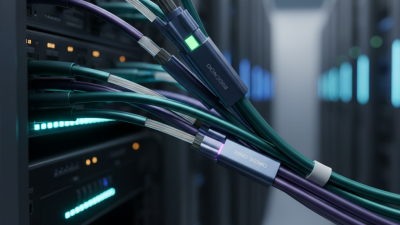
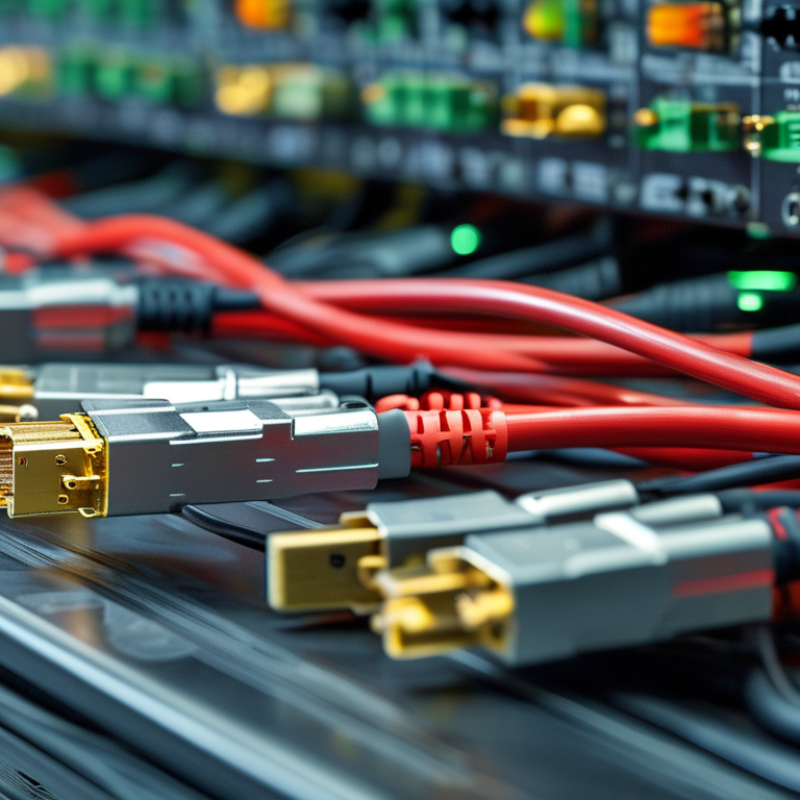
A transceiver cable is a vital component in networking and communication systems. It serves as a bridge between various devices, allowing them to transmit and receive data seamlessly. This cable typically combines the functions of a transmitter and a receiver. It converts electrical signals into optical signals and vice versa, facilitating high-speed data transfer.
These cables come in various types, depending on the transmission medium they support. Fiber optic transceiver cables are common for high-speed internet connections. They use light to transmit data, ensuring minimal signal loss over long distances. In contrast, copper transceiver cables utilize electrical impulses, making them suitable for shorter distances where speed is less critical.
Understanding transceiver cables is crucial for anyone involved in telecommunications or networking. A flawed installation can lead to connectivity issues. Therefore, attention to detail is key. Professionals should verify compatibility and ensure accurate signaling. Evaluating the quality of connections can also prevent data loss. Even minor mistakes in setup can have significant impacts on network performance.
Components of a Transceiver Cable
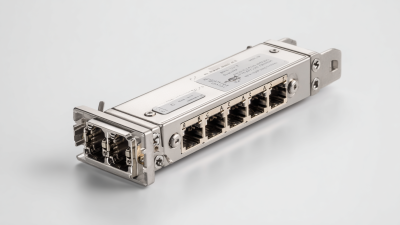
Transceiver cables play a vital role in modern communication networks. Their design integrates various components that ensure reliable data transmission. The core element is the transceiver itself, a device that converts electrical signals into optical signals and vice versa. This conversion is essential for long-distance communication.
Another crucial component is the fiber optic cable itself. It consists of glass or plastic fibers that carry data as light pulses. This medium allows for high-speed data transfer and minimal signal loss. Connectors also feature prominently. They are the interface between the transceiver and the fiber optic cable, ensuring a secure fit and effective signal transfer.
While these components are effective, challenges can arise. For instance, improper installation can lead to signal degradation. Additionally, environmental factors may impact performance. Regular maintenance is essential to address these issues. Evaluating the installation and ensuring all components are compatible can optimize the overall setup. Consideration of these factors can significantly enhance communication reliability.
Transceiver Cable Data Analysis
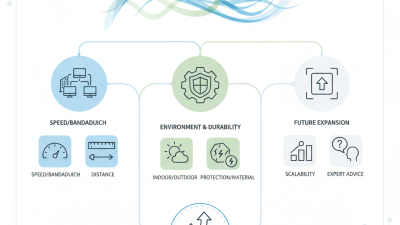
This chart illustrates the key characteristics of transceiver cables, including data rate, length, cost, and signal loss, providing a comparative overview of these essential components.
How Transceiver Cables Function in Networking
Transceiver cables play a crucial role in networking systems. They are responsible for transmitting and receiving data between devices. These cables contain a transceiver at either end, allowing them to convert electrical signals into optical signals and vice versa. This conversion enables high-speed data transfers over long distances. Understanding how they work can enhance your networking setup.
Transceiver cables function using multiple standards, including fiber optics and copper cabling. In fiber optic cables, light signals travel through glass fibers. This design minimizes signal loss and allows for higher bandwidth. For copper cables, electrical signals travel through metal connectors. While they are easier to handle, they are limited in range and speed. The choice between these types depends on specific network requirements.
It's essential to recognize that not all transceiver cables are the same. Compatibility issues may arise when connecting different devices. Additionally, using subpar cables can lead to data loss and connectivity problems. Ensuring the right specifications and quality can make a significant difference. Experimentation may be necessary to find the best fit for your network needs.
Applications of Transceiver Cables in Communication Systems
Transceiver cables play a critical role in various communication systems. These cables are designed to connect devices, enabling data and signal transmission. For instance, in telecommunications, they link base stations to network components. This connection allows for real-time data sharing and voice communication across vast distances.
In data centers, transceiver cables ensure effective communication between servers and switches. They help manage large volumes of data traffic, facilitating faster access to information. With the rise of cloud computing, the demand for reliable transceiver cables has surged. However, the performance of these cables can vary, leading to challenges.
Interference or degradation may occur, impacting signal quality.
Moreover, the installation process of transceiver cables requires careful consideration. Improper handling can lead to connection issues. Regular maintenance is also essential to ensure optimal performance. There is room for improvement in understanding the best practices in installation and management.
Adapting to evolving technologies is crucial.
Benefits and Limitations of Using Transceiver Cables
Transceiver cables serve as essential components in data communication systems. They facilitate effective communication between network devices. These cables are widely used in various industries, providing reliable data transmission. However, their benefits come with certain limitations that users must consider.
One key benefit of transceiver cables is their flexibility. They can support various types of data and network protocols. This allows different devices to communicate seamlessly. Additionally, their ability to transmit data over long distances enhances network performance. Transceiver cables also simplify network design and installation. They reduce clutter, making work environments more organized.
On the downside, transceiver cables may incur higher initial costs compared to traditional cabling. Installation can also become complex, especially in large setups. If not installed correctly, signal degradation might occur. Users must ensure compatibility between transceivers and network devices. Keeping track of multiple cables and transceivers can be cumbersome. Thus, while they offer significant advantages, the challenges can overwhelm those unfamiliar with their use.