Top Mobile Computers for Global Buyers in 2026?
In the rapidly evolving tech landscape, Mobile Computers are becoming essential for businesses worldwide. According to recent industry reports, the global mobile computer market is projected to exceed $60 billion by 2026. This growth highlights the demand for portable and versatile devices that facilitate productivity on the go.
Mobile computers, including rugged tablets and handheld devices, provide numerous advantages. They enhance workflows in various sectors like logistics, healthcare, and retail. For instance, a study found that mobile computers can improve efficiency by over 20% in warehouse operations. However, despite these benefits, challenges remain. Many companies face issues with device integration and security vulnerabilities.
Navigating the mobile computer market requires careful consideration. Buyers must evaluate their specific needs against the wide variety of options available. There's no one-size-fits-all solution, and the fast-paced changes in technology can complicate decision-making. Exploring user reviews and expert analyses can equip global buyers with the insights necessary to make informed choices.
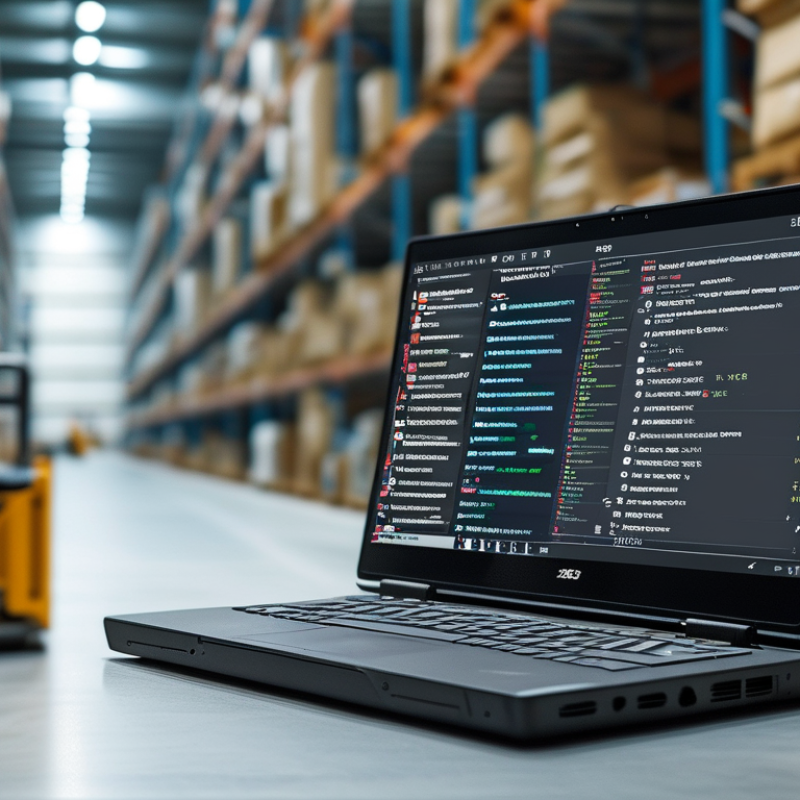
Emerging Trends in Mobile Computers for 2026
The world of mobile computers is evolving rapidly. By 2026, key trends will redefine user experience. Portable devices are becoming more powerful yet thinner. This is crucial for users needing portability and performance.
Artificial intelligence integration is a major trend. AI enhances user interface and personalizes experiences. Mobile computers will learn users' habits, making interactions seamless. However, this raises concerns about data privacy and security. Striking a balance is essential.
Battery life will improve significantly. Extended usage becomes standard for mobile professionals. Devices will utilize advanced materials for longer durability. Still, users must consider the environmental impact of these technologies. As we adapt, reflections on sustainability will shape the future of mobile computing.
Key Features to Look for in 2026 Mobile Devices
As we approach 2026, mobile computers are set to undergo significant advancements. Buyers should prioritize critical features that enhance usability and performance. According to recent industry reports, nearly 65% of users value battery life above all. Devices with extended battery life can maintain productivity in on-the-go scenarios. A laptop that lasts at least 15 hours is now a standard expectation among consumers.
Moreover, display quality has become a major factor. Reports indicate that over 70% of users have switched to devices with 4K resolutions for improved visuals. This shift highlights the demand for sharper screens that not only enhance viewing experiences but also reduce eye strain. Additionally, the trend towards foldable devices continues to grow, with a projected market increase of 30% by 2026. This innovation allows for portability without compromising screen real estate.
Security features must not be overlooked. A recent survey showed that 55% of consumers rank security protocols, such as biometric authentication, as a top priority. Devices designed with advanced security measures reassure users concerned about data protection. Companies must reflect on these evolving preferences and adapt their offerings accordingly. Users increasingly seek devices that meet standards while catering to their specific needs.
Top Mobile Computers for Global Buyers in 2026
| Model | Display Size | Processor | RAM | Storage | Battery Life | Weight |
| Model A | 15.6 inches | Octa-Core 3.0 GHz | 16 GB | 512 GB SSD | 12 hours | 1.5 kg |
| Model B | 13.3 inches | Hexa-Core 2.6 GHz | 8 GB | 256 GB SSD | 10 hours | 1.2 kg |
| Model C | 14.0 inches | Quad-Core 2.4 GHz | 12 GB | 1 TB HDD | 14 hours | 1.3 kg |
| Model D | 12.5 inches | Dual-Core 2.8 GHz | 8 GB | 128 GB SSD | 8 hours | 0.9 kg |
Top Mobile Computer Brands for Global Buyers in 2026
As mobile computing becomes ubiquitous, choosing the right devices is crucial. In 2026, global buyers will face diverse options. Factors such as performance, durability, and price will significantly influence their decisions. Many manufacturers will prioritize lightweight designs without sacrificing functionality. Buyers should expect innovations that enhance user experience in various environments, from urban settings to remote locations.
Features like battery life and connectivity options will stand out. Advances in display technology will offer stunning visuals, crucial for professionals. However, potential customers should reflect on their own needs. Not every feature will appeal to everyone. While some may seek maximum portability, others might prioritize processing power.
As we move forward, mobile computing brands must uphold high standards. Reliability will remain vital for users in fast-paced industries. Yet, the variety of available options may overwhelm. Understanding one’s requirements will be essential for making informed choices. Ultimately, the landscape of mobile computers will continuously evolve, and customers must adapt accordingly.
Performance Metrics: Comparing Mobile Computers in 2026
In 2026, mobile computers are set to revolutionize the way businesses operate globally. Performance metrics will play a crucial role in this evolution. Key indicators include processing power, battery life, and storage capacity. Reports indicate that devices should have a minimum of 16 GB RAM and solid-state drives (SSD) with at least 512 GB capacity. Such specifications can significantly enhance multitasking and data management.
Another critical metric is battery performance. Data shows that users demand at least 12 hours of battery life on a single charge. This is particularly relevant for professionals in fieldwork or remote areas. Fast charging capabilities are becoming a standard requirement, as many users can't afford downtime. However, achieving these benchmarks can be challenging. Manufacturers often struggle with balancing performance and thermal management.
Display quality is also gaining attention. High resolution is essential for tasks like graphic design or data analysis. Users are increasingly looking for screens that support 4K resolution. Yet, the trade-offs between weight and durability remain a concern. Lightweight models may not withstand rough conditions, leading to potential losses. Continuous innovation will remain key in addressing these issues while meeting consumer expectations.
Price Range Analysis: Budgeting for Mobile Technologies in 2026
In 2026, mobile technology will cater to diverse budgets. Understanding pricing will help buyers make informed choices. Mobile computers are essential for work, studies, and entertainment. The price of these devices can widely vary. Entry-level models may start around $300. Mid-range options can cost between $600 and $1,200. High-end devices often exceed $1,500.
The features you expect can impact the budget. Lightweight designs may come at a premium, while basic models focus on functionality. Battery life, performance, and screen quality also influence prices. Buyers should consider what matters most to them. Are you seeking power or portability? This question can steer your spending choices.
Reflecting on user needs is crucial. Your preference might change with time. What seemed essential last year may not fit your lifestyle now. Consider upcoming technology trends. Anticipate delays in shipping or stock shortages as the market evolves. This uncertainty can affect pricing as well. Balancing budget and requirements is key.