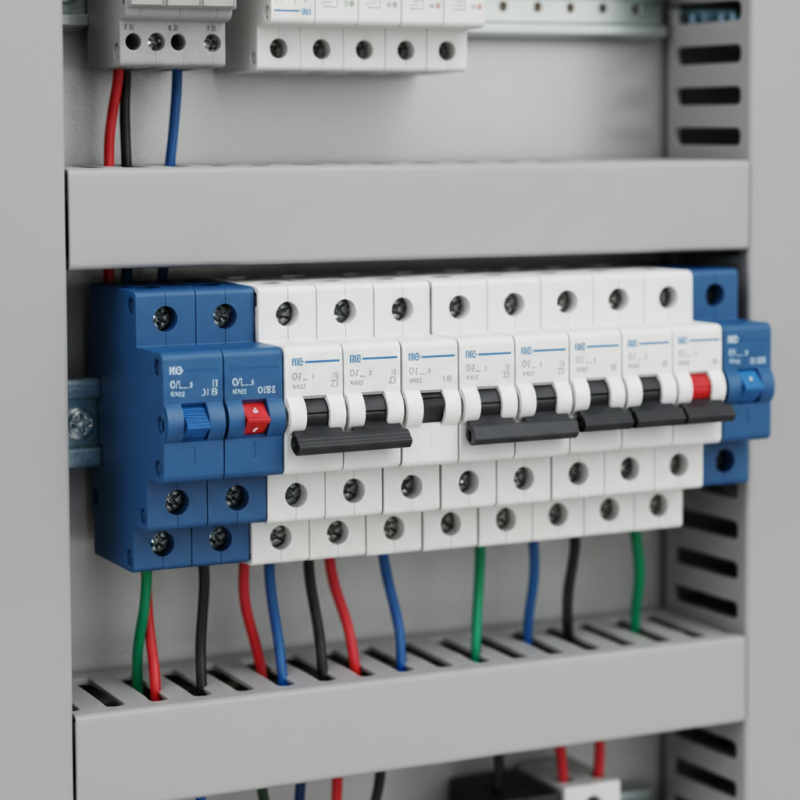
Top 10 Miniature Circuit Breaker Features You Should Know?
Miniature Circuit Breakers (MCBs) are essential in modern electrical systems. They provide protection against overcurrents and short circuits. Understanding their features is critical for safety and function.
In this guide, we’ll explore the top ten features of MCBs. Each feature plays a vital role in ensuring reliable performance. For instance, consider the rated current. This specification determines how much current an MCB can handle without tripping.
Another important aspect is the tripping mechanism. This feature protects your system from severe damage. However, not all MCBs are created equal. Manufacturers often vary in quality, requiring careful consideration. Knowledge of these features can empower your electrical choices. Ensuring you select the right MCB might save you time and money in the long run.
Understanding the Purpose of Miniature Circuit Breakers
Miniature Circuit Breakers (MCBs) play a vital role in electrical safety. They protect circuits from overload and short circuits. When there’s an issue, MCBs automatically switch off. This prevents fires and equipment damage, ensuring safety in homes and businesses.
Understanding MCBs is crucial for any electrical setup. They are designed to detect faults quickly. The response time is key to preventing major accidents. Each breaker is calibrated for specific current ratings. Choosing the correct rating is essential. An incorrectly sized breaker may not trip when needed.
People often underestimate the importance of MCBs. Some think they can replace them with fuses. However, that approach lacks efficiency. MCBs can be reset easily, while fuses need replacement. Regular maintenance is overlooked too. Without it, the integrity of the circuit can suffer. Proper knowledge can lead to better decision-making in electrical safety.
Key Characteristics of Miniature Circuit Breakers
Miniature Circuit Breakers (MCBs) play a crucial role in electrical safety. Their primary function is to protect circuits from overcurrents and short circuits. This protection helps prevent potential fire hazards and equipment damage. MCBs are compact, making them ideal for residential and commercial applications. Most are designed to trip automatically when they detect issues. This automation promotes a safer environment by reducing the need for manual intervention.
Among their key characteristics, current ratings are essential. MCBs come with different ratings to match various electrical setups. Choosing the wrong rating can lead to insufficient protection or nuisance tripping. Another important feature is the trip curve. This curve determines how quickly an MCB reacts to overloads. Knowing your circuit's nature is vital for selecting the right curve type.
Another aspect worth considering is the lifespan of MCBs. They generally last long but can wear out over time. Regular checks are necessary to ensure they function effectively. Lack of maintenance can lead to unexpected failures. MCBs also need to be compatible with the overall electrical system. This compatibility affects performance and safety, emphasizing the importance of thoughtful installation.
How Miniature Circuit Breakers Function in Electrical Systems
Miniature circuit breakers (MCBs) are essential in modern electrical systems. They protect against overloads and short circuits. MCBs are designed to automatically disconnect circuits when fault currents exceed safe levels. This rapid action can prevent electrical fires and equipment damage. According to reports, over 60% of electrical fires are due to faulty equipment, highlighting the importance of reliable MCBs.
In practice, MCBs operate using an electromechanical mechanism. After sensing an overcurrent, the mechanism trips, interrupting the circuit within milliseconds. This fast response minimizes potential harm. Additionally, MCBs are available in various ratings, tailored to specific applications. Data indicates that MCBs rated for different loads can effectively manage diverse electrical environments.
However, not all MCBs are created equal. Some users may overlook crucial features, like arc fault protection or coordination with upstream devices. Understanding these features can impact overall system safety and performance. Selecting the right MCB requires careful consideration. Small details often mean large consequences, particularly in critical installations.
Safety Features to Look for in Miniature Circuit Breakers
When choosing a miniature circuit breaker (MCB), safety features are essential. Look for devices that offer overload protection. This feature cuts power when the current exceeds the breaker’s rating. It helps prevent overheating and damage in circuits. Short circuit protection is another crucial aspect. It disconnects the circuit quickly when a fault occurs, minimizing potential hazards.
Consider the MCB’s tripping mechanism. Some breakers trip faster than others. A quicker response can mean the difference between a minor issue and a major disaster. Thermal-magnetic tripping is standard; however, electronic options provide even better precision. These features may help in avoiding false tripping. Yet, remember that sensitivity can also lead to more nuisance trips.
Durability matters too. Inspect the materials used in the casing and components. A sturdy design can withstand wear and tear. Regular testing and maintenance are vital as well. Even the best MCBs may fail unexpectedly if neglected. Take time to assess installation environments and other factors that could affect performance. Reflect on these details; they can greatly influence safety.
Top 10 Miniature Circuit Breaker Features You Should Know
Tips for Selecting the Right Miniature Circuit Breaker for Your Needs
When selecting a miniature circuit breaker (MCB), it's crucial to understand your specific needs. The key features of MCBs, such as tripping characteristics and current ratings, can significantly influence your choice. According to market research by Technavio, the global circuit protection market is expected to grow by over 5% annually. This growth highlights the importance of making informed selections for both safety and efficiency.
Consider the tripping characteristics of MCBs. There are different types such as B, C, and D, which respond differently to overloads. Type B MCBs trip at 3-5 times the rated current, ideal for residential use. In contrast, Type C suits commercial applications, capable of handling inductive loads. This detail is often overlooked, yet it's vital to prevent nuisance tripping during peak usage.
Another factor is the current rating. MCBs come in various ratings, usually ranging from 1A to 125A. Accurate sizing matters. An oversized breaker may not trip as expected during a fault. Conversely, an undersized breaker could lead to frequent interruptions. According to a report by Global Market Insights, poor sizing contributes to over 30% of circuit failures in installations. Adjusting for load requirements can help prevent such issues. Consider seeking professional guidance to ensure optimal selection tailored to your context.
Top 10 Miniature Circuit Breaker Features You Should Know
| Feature | Description |
| Overcurrent Protection | Prevents circuit overloads by tripping when current exceeds a set limit. |
| Short Circuit Protection | Trips instantly to protect against short circuits, preventing potential fires. |
| Voltage Rating | Indicates the maximum voltage the circuit breaker can handle safely. |
| Current Rating | Specifies the maximum current the breaker can handle without tripping. |
| Tripping Characteristic | Determines the speed and sensitivity of the trip mechanism (B, C, D curves). |
| Number of Poles | Indicates how many circuits the breaker can protect (1, 2, 3, or 4 poles). |
| Reset Mechanism | Allows manual reset after tripping, ensuring functionality is restored. |
| Mounting Type | Specifies whether the breaker is for DIN rail or panel mounting. |
| Surge Protection | Some breakers offer additional protection against voltage spikes and surges. |
| Certifications | Look for compliance with international standards for safety and performance. |