Top 10 Light Switch Types You Need to Know?
Choosing the right Light Switch can significantly enhance the functionality and aesthetics of your space. Light switches come in various types, each designed for specific needs and styles. Understanding these options is essential for making informed decisions when redesigning or updating your home.
Light switches are not just practical; they define the ambiance of your rooms. From standard toggle switches to modern dimmers, they serve different purposes. Some offer convenience and energy savings, while others elevate your interior design. Additionally, the variety can be overwhelming, which might lead to confusion during your selection process.
Not all light switches are created equal. Each type fits particular functionalities and designs. Consider the installation requirements and the overall compatibility with your lighting system. It’s worth reflecting on your choice, as it impacts both utility and style. With the right knowledge, you can find the perfect fit for your home.
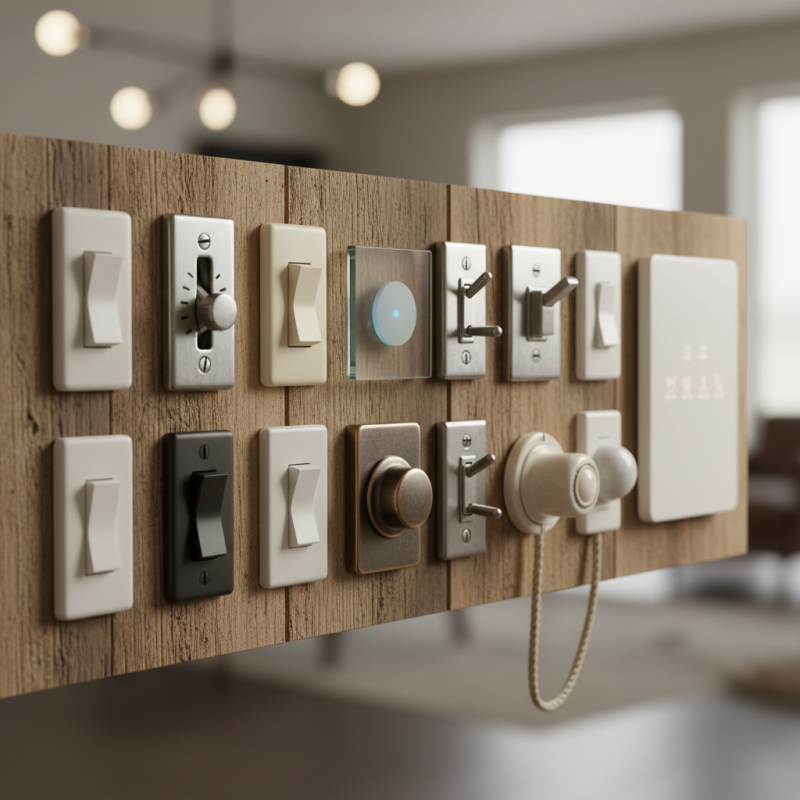
Types of Light Switches: An Overview of Functionality and Design
When it comes to light switches, the variety can be overwhelming. Different types serve distinct functions and enhance interior design. Understanding these options allows for better decision-making. For example, toggle switches are common in homes, providing simple on-off control. Dimmer switches add a touch of sophistication, letting users adjust brightness to create ambiance.
Rotary switches often grace older homes, bringing nostalgia to modern settings. They require a bit of practice, as their mechanism differs from standard switches. Some homeowners prefer smart switches. These devices can connect to Wi-Fi, enabling control via smartphones. But integrating these with existing systems may be challenging.
Moreover, consider the placement and style of the switch. A push-button switch might look sleek in a minimalist environment, yet may not be user-friendly for everyone. It’s essential to reflect on personal needs and how they align with design choices. A misstep in selection could lead to frustration or daily inconvenience. Balance functionality with aesthetic, and you’ll enhance your living space effectively.
Understanding Single Pole Switches: Basics and Applications
Understanding single pole switches is essential for anyone working on home electrical systems. A single pole switch is the most common type of light switch. Its design is simple, featuring two terminals and a toggle. This switch controls a single light or a group of lights from one location.
When you flip the switch up, it closes the circuit and allows electricity to flow. Going down breaks the circuit, turning the light off. Installation is straightforward. However, it requires caution and basic knowledge of electrical wiring. Improper wiring can lead to malfunction or, worse, safety hazards.
Single pole switches are ideal for many applications. They fit well in rooms with a single entrance. They can easily manage hallways or closets. However, they do have limitations. If a room has multiple entries, consider using three-way switches instead. While these switches might seem simple, understanding their usage can help avoid common mistakes. This ensures proper function and safety in your home.
Top 10 Light Switch Types You Need to Know
| Switch Type | Description | Common Applications |
| Single Pole Switch | Controls a light fixture from a single location. | Residential lighting, ceiling fans. |
| Three-Way Switch | Allows control of a light fixture from two locations. | Stairs, long hallways. |
| Four-Way Switch | Used in conjunction with three-way switches to control lights from multiple locations. | Large rooms, multiple entry points. |
| Dimmer Switch | Adjusts the brightness of a light fixture. | Living rooms, dining areas. |
| Smart Switch | Can be controlled via smartphone or voice commands. | Smart homes, IoT applications. |
| Toggle Switch | A simple switch that toggles on and off. | Standard residential use. |
| Rocker Switch | A switch that rocks back and forth to turn on and off. | Modern homes, offices. |
| Push Button Switch | Controls lights by pressing a button. | Commercial buildings, outdoor lights. |
| Motion Sensor Switch | Turns lights on automatically when motion is detected. | Entryways, bathrooms. |
Exploring Three-Way Switches: Wiring and Usage in Home Lighting
Three-way switches are essential for controlling home lighting effectively. They allow you to operate a single light fixture from two different locations. This feature is particularly useful in hallways or large rooms. Imagine walking into a dark room and being able to turn the lights on from the entrance. It adds convenience to everyday life.
Wiring three-way switches requires careful consideration. You need two switches and the appropriate wiring to connect them. It involves understanding the common, traveler, and ground wires. Many homeowners struggle with this. Miswiring can lead to lights that flicker or do not work at all. If you feel uncertain, consulting a professional electrician is wise.
Installation concerns often arise. Not all homes are pre-wired for three-way switches. In some cases, you may need to run new wires. This can be challenging, especially in older homes. It is crucial to ensure that your setup complies with local electrical codes. Safety should always come first when dealing with electrical installations.
Top 10 Light Switch Types You Need to Know
Dimmer Switches Explained: Enhancing Mood with Light Control
Dimmer switches are essential for enhancing ambiance in any space. These devices allow you to control light intensity, which in turn influences mood and comfort. A recent study found that proper lighting can improve productivity by up to 20%. By adjusting brightness, you create an environment that feels more welcoming.
Installing dimmer switches can also lead to energy savings. According to the U.S. Department of Energy, using dimmers can reduce energy consumption by about 20% to 40%. This reduction not only impacts your utility bills but also benefits the environment. Light control is a simple yet effective way to have a lasting impact.
However, not all dimmer switches are created equal. Some may flicker or fail to deliver the intended effect. Choosing the right type requires careful consideration. Be aware that compatibility with light bulbs can vary, leading to frustration. Research and seek advice to avoid costly mistakes. The lighting of your home should enhance your life, not complicate it.
Smart Switches: The Rise of Connectivity in Modern Lighting Solutions
Smart switches are transforming the way we interact with our lighting. They offer more than just a way to turn lights on and off. These devices allow for control through smartphones and voice commands. The integration of smart technology brings convenience. However, not all smart switches are created equal.
With smart switches, users can set schedules and create lighting scenes. This feature can save energy and enhance home security. Imagine lights turning on as you approach your front door. Yet, many struggle with installation. Some devices require complicated setups that can frustrate users. It’s crucial to assess your home’s compatibility before investing.
As the demand for smart solutions rises, the market continues to grow. Understanding the varying types of smart switches helps consumers make informed choices. However, not every product performs consistently. User reviews often highlight both strengths and weaknesses. It's vital to research before deciding, ensuring you select a reliable option that fits your lifestyle.