Top 10 Pallet Stacking Robots for Efficient Warehousing Solutions?
In the rapidly evolving world of logistics, the incorporation of technology is crucial. Pallet Stacking Robots have emerged as a powerful solution for enhancing efficiency in warehouses. According to a recent report by Research and Markets, the global warehouse automation market is projected to reach $30 billion by 2026, indicating a growing reliance on automated systems. The increasing demand for operational efficiency drives businesses to embrace robotic solutions, especially pallet stacking robots.
Implementing these robots can significantly reduce labor costs and improve accuracy in order fulfillment. A study by McKinsey & Company highlights that automation can improve productivity in warehouses by up to 30%. Yet, despite these advancements, challenges still persist. Adapting existing workflows to incorporate pallet stacking robots requires careful planning and staff retraining.
Not all businesses are equipped to handle such transformative changes seamlessly. It’s essential to evaluate whether investing in a pallet stacking robot aligns with specific operational needs. The journey to automation is not merely about adopting new technology but also about addressing potential gaps in infrastructure and workforce readiness. Thus, choosing the right pallet stacking robot is vital for achieving optimal results in warehousing efficiency.
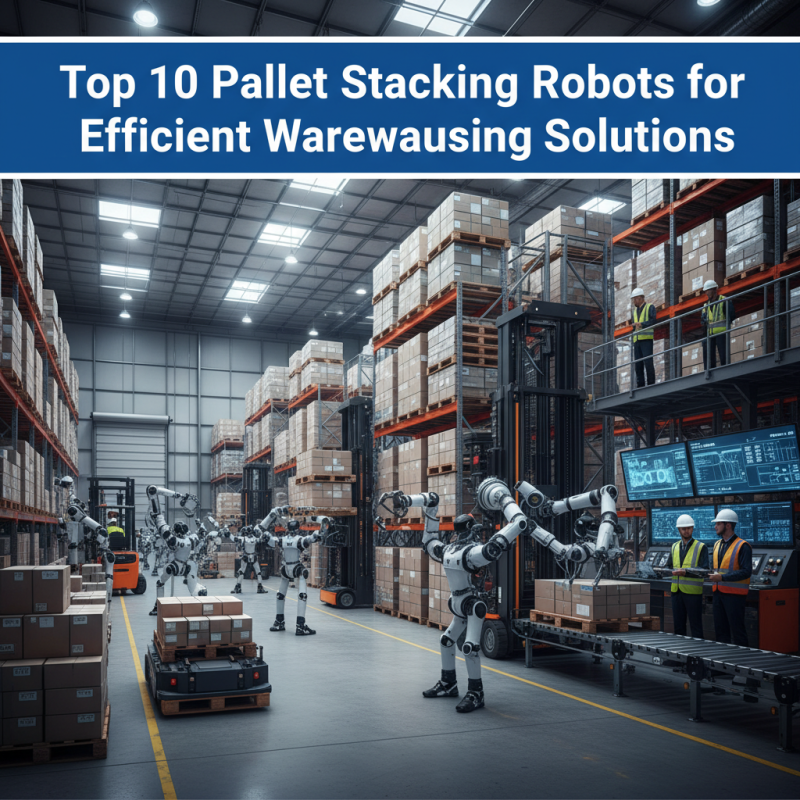
Overview of Pallet Stacking Robots in Modern Warehousing
In modern warehousing, pallet stacking robots have become essential for increasing efficiency. A report by the Robotics Industry Association noted that automated solutions can boost productivity by up to 30%. This is crucial as labor shortages intensify, compelling many warehouses to explore automation. These robots streamline the stacking process, reducing manual errors and potential injuries.
However, it's important to consider the initial investment and training needed for staff. Implementation can be complex, and some companies experience challenges during the transition. Choosing the right robot for specific needs is vital. Feedback from users shows that adaptability and ease of programming are key features to look for in these systems.
Tips: When evaluating pallet stacking robots, assess your current workflow. Consider the speed of stacking and the payload capacity. Also, ensure your team is equipped to handle any unforeseen challenges that may arise. Regular evaluations of the system can help in identifying areas for improvement, avoiding potential pitfalls.
Key Features to Consider When Selecting a Pallet Stacking Robot
When selecting a pallet stacking robot, consider several key features. The robot's lifting capacity is crucial. It should handle the weight of your heaviest pallets with ease. Speed is another important factor. A faster robot can dramatically increase warehouse efficiency. Look for models that can stack and unstack quickly and accurately.
Another aspect to evaluate is the robot's navigation system. Advanced navigation improves safety and efficiency. Robots should easily maneuver through tight spaces and avoid obstacles. Additionally, flexibility is vital. A versatile robot can adapt to various pallet sizes and stacking patterns. Ensure that the robot's programming is user-friendly for easier operation.
Don’t overlook maintenance and support options. Reliable service can minimize downtime. Evaluate the average lifespan of the robot. Is it built for long-term use? Investing in a robot with a good support structure is essential. Remember, not all robots will meet every need—some may underperform in specific tasks. Reflections on your current warehouse setup can lead to better decisions. A comprehensive assessment can help you select the right pallet stacking robot.
Top 10 Pallet Stacking Robots for Efficient Warehousing Solutions
Top 10 Pallet Stacking Robots: A Comprehensive Review
As warehousing demands grow, pallet stacking robots have emerged as critical tools for efficiency. These machines automate stacking, reducing human labor and errors. They save time, streamline operations, and optimize space utilization. With proper integration, they greatly enhance workflow in busy warehouses.
When selecting a pallet stacking robot, consider its weight capacity and stacking height. Some robots excel in tight spaces while others manage heavier loads. Not all robots are perfect. Some may struggle with uneven surfaces or mixed pallet sizes. These limitations necessitate careful planning and occasional oversight.
Cost is another factor. Advanced features often come with a higher price tag. Balancing budget and functionality is crucial. Regular maintenance is also vital to ensure reliability. Investing time in upkeep prevents unexpected downtimes. Finding the right balance between automation and human oversight is key for optimal performance.
Comparative Analysis of Efficiency and Cost in Pallet Stacking Solutions
As automation becomes essential in warehousing, pallet stacking robots provide significant efficiency gains. A recent industry report highlights that these robots can increase throughput by up to 30%, reducing manual labor costs. In high-demand environments, the integration of pallet stacking systems can save time and minimize errors associated with human handling. The swift placement and retrieval of pallets ensure that space is utilized optimally, leading to a streamlined operation.
However, the initial investment in robotic systems warrants careful consideration. Research indicates that while upfront costs range from $50,000 to $200,000, the return on investment often materializes within two years. Maintenance and potential software updates need to be factored into the overall cost. Not all facilities may achieve the same level of operational enhancement. Uneven workflows or outdated infrastructure can hinder performance, making a thorough assessment critical before implementation.
It's also important to weigh the limitations of these technologies. While robots excel in consistent tasks, they may struggle with variable conditions and complex environments. Training staff to manage these systems effectively is essential for maximizing benefits. Businesses should remain adaptable, continually assessing whether robotic solutions meet their evolving needs in an ever-changing market landscape.
Future Trends in Pallet Stacking Robotics for Warehousing Efficiency
The landscape of warehousing is changing, with pallet stacking robots leading the way. These robots enhance operational efficiency and reduce labor costs. As technology advances, we can expect improvements in design and functionality. Future robots may have enhanced AI, enabling them to adapt to new environments more seamlessly.
Visual recognition technology will play a crucial role. Robots will likely use sensors to identify package sizes and weights. This adaptation will allow for more efficient stacking and space utilization. However, challenges remain. Ensuring safety during operation in crowded warehouses is critical. Robots must work alongside human workers without incident.
Sustainability is also a key focus. Future models may utilize greener materials and energy-efficient systems. As warehouse demands grow, the need for eco-friendly solutions will be paramount. Companies will continually evaluate the balance between automation benefits and potential drawbacks. The evolution of pallet stacking robots promises a significant shift, yet careful consideration of their impact is essential.
Top 10 Pallet Stacking Robots for Efficient Warehousing Solutions
| Robot Model | Payload Capacity (kg) | Max Height (m) | Battery Life (hrs) | Speed (m/s) | AI Integration |
| Model A | 1500 | 3.0 | 10 | 1.5 | Yes |
| Model B | 1200 | 2.5 | 8 | 1.2 | No |
| Model C | 1000 | 4.0 | 12 | 1.0 | Yes |
| Model D | 1800 | 3.5 | 15 | 1.8 | Yes |
| Model E | 1600 | 4.5 | 14 | 1.6 | No |
| Model F | 1350 | 3.2 | 9 | 1.4 | Yes |
| Model G | 1400 | 4.0 | 11 | 1.3 | No |
| Model H | 2000 | 5.0 | 16 | 2.0 | Yes |
| Model I | 1750 | 4.2 | 12 | 1.7 | No |
| Model J | 1900 | 3.8 | 13 | 1.9 | Yes |