Top 10 High Strength Steel Suppliers Worldwide?
Choosing a reliable high-strength steel supplier requires more than comparing tensile strength figures. Buyers must examine production capacity, certification, delivery performance, and technical support. High Strength Steel serves demanding industries, including automotive manufacturing, construction, energy, heavy equipment, and transportation.
This guide reviews ten leading suppliers worldwide through practical purchasing criteria. We consider grades, yield strength, formability, weldability, corrosion resistance, and quality-control systems. We also examine whether suppliers provide traceable test certificates, stable batch consistency, and useful engineering guidance. A polished website is not enough. Real reliability appears in mill documentation, shipment records, and responses during technical problems.
The companies discussed represent different regional strengths and manufacturing approaches. Some operate large integrated mills, while others focus on specialized plate, coil, or structural products. Their capabilities may change with market conditions, plant investments, and regional demand. That makes any global ranking imperfect. It should be treated as a starting point, not a final purchasing decision.
Readers should confirm current certifications, minimum order quantities, lead times, and material availability directly with each supplier. Applications also matter. A grade suitable for a bridge beam may perform poorly in a stamped vehicle component. Engineers should review design loads, processing methods, welding procedures, and service environments before approval. Small details matter here. A careful supplier comparison can reduce production delays, material waste, and costly redesigns. Yet no article can replace independent testing and qualified engineering judgment.
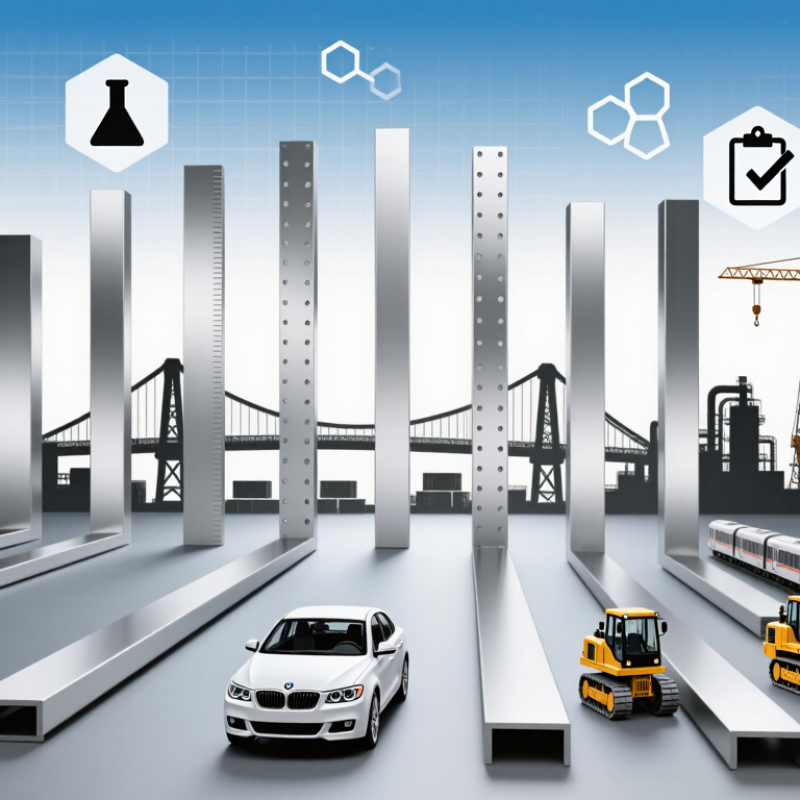
High-Strength Steel: Definition, Grades, and Global Applications
High-strength steel combines improved load capacity with reduced section weight. Its performance depends on yield strength, tensile strength, ductility, weldability, and fatigue resistance. Common families include HSLA, dual-phase, complex-phase, and martensitic grades. Some grades exceed 1,000 MPa in tensile strength, but higher strength can reduce formability and complicate welding.
Global suppliers typically serve construction, automotive, energy, mining, and heavy equipment markets. Their capabilities differ in rolling width, thickness range, heat treatment, and quality documentation. A reliable supplier should provide mill certificates, chemical analysis, mechanical test results, and batch traceability. Grade names can also vary between regional standards. A chart alone is not enough. Engineers must confirm equivalent specifications before ordering.
Tips: Define the application first. Check yield strength, bend radius, impact performance, and weld procedures. Request sample testing when production risk is high. Inspect surface quality carefully, especially for exposed panels. Do not select the strongest grade automatically; a more formable option may reduce cracking, tooling wear, and repair costs. Supplier claims still require verification. Real projects often reveal gaps between laboratory data and factory performance. That is an uncomfortable, but useful, lesson.
Criteria for Ranking High-Strength Steel Suppliers Worldwide
Ranking high-strength steel suppliers requires more than comparing annual tonnage or headline strength values. The World Steel Association reported 1.888 billion tonnes of crude steel production in 2023, showing the scale of this market. Yet volume alone cannot prove technical reliability. A credible ranking should examine yield strength, tensile strength, elongation, weldability, fatigue performance, and thickness consistency across certified production batches. Test reports should follow recognized standards, such as ISO or ASTM methods, and ideally come from accredited laboratories.
Technical breadth matters. Suppliers should offer verified grades for construction, transport, energy, and engineered equipment, with clear mill certificates and heat-number traceability. Delivery performance also deserves measurement: lead times, export coverage, technical support, complaint response, and documented corrective actions. Sustainability should be checked through audited emissions data, recycled-content claims, energy use, and environmental product declarations. The International Energy Agency identifies steel as a major industrial emissions source, so lower-carbon production is becoming a practical ranking factor, not a marketing detail.
Proof matters. A supplier with impressive brochures but weak batch history should rank cautiously. My own scoring model would assign greater weight to independent test evidence than promotional claims. Still, this approach is imperfect. Public data can be incomplete, and regional supply interruptions may distort delivery results. Rankings should therefore use several years of evidence, customer audits, and fresh samples. A high-strength label is only a starting point; dependable performance appears in the details.
Production Capabilities, Certifications, and Market Coverage
Top 10 High Strength Steel Suppliers Worldwide
Production capacity should be measured beyond headline tonnage. The World Steel Association reported global crude steel production of about 1.89 billion tonnes in 2023. Yet high-strength grades require controlled chemistry, advanced rolling, and stable heat treatment. A credible supplier should disclose annual output by grade, maximum coil width, thickness range, and minimum yield strength. These details reveal whether a mill can support automotive, construction, energy, or heavy-equipment programs.
Certifications provide another practical filter. ISO 9001 supports process consistency, while IATF 16949 is relevant to automotive supply chains. ISO 14001 indicates environmental management, but it does not prove low emissions. Buyers should request current certificates, laboratory accreditation, mill test reports, and EN 10204 3.1 documentation. Independent testing remains valuable. Documents can be incomplete.
Market coverage depends on more than export volume. Suppliers with regional service centers, local technical teams, and dependable port access usually respond faster to urgent orders. OECD steel industry reports continue to highlight global overcapacity risks, making production transparency increasingly important. Compare lead times, minimum order quantities, packaging standards, and claims procedures across all ten candidates. Public data may also conflict with actual capacity. That is a weakness worth examining, not ignoring. A strong shortlist combines audited capability, verified certifications, and proven delivery records across target markets.
How to Select the Right High-Strength Steel Supplier
Selecting the right high-strength steel supplier requires more than comparing price per tonne. World Steel Association data recorded approximately 1.89 billion tonnes of global crude steel production in 2023. This scale creates choice, but also uneven quality control. Start by defining the grade, yield strength, thickness range, surface condition, and forming method. A supplier experienced with structural plate may not understand automotive press forming.
Request recent mill test certificates, heat-number traceability, and third-party test results. Check compliance with recognized standards, such as ISO 6892-1 for tensile testing and ASTM A370 for mechanical testing. Do not rely on tensile strength alone. Yield strength, elongation, bend performance, and weldability often determine production success. Ask for data from the exact thickness you will purchase. Small differences matter.
Visit the production site when possible. Review furnace control, rolling accuracy, inspection equipment, and corrective-action records. Practical details reveal more than polished brochures. Can the supplier maintain chemistry across repeated heats? Can it replace a rejected coil quickly? Can it protect plate edges during transport? These questions expose operational reliability.
Cost is only one variable. A cheaper grade may increase springback, tool wear, welding defects, or delivery delays. A simple trial order can test consistency before full approval. Still, one trial is not proof. I would compare several batches and examine results with production engineers. Supplier scorecards should include quality stability, technical support, lead time, certification accuracy, and responsible environmental reporting. A spreadsheet helps. It can also hide risk.