Industries
Get direct access to our extensive portfolio of optical products and specialist technical expertise.
Choosing a Die Cutting Machine is rarely as simple as comparing speed, price, and advertised pressure. Global buyers face different materials, production volumes, safety expectations, labor costs, and service conditions. A machine cutting folding cartons in Germany may not suit a label producer in Vietnam. The details matter.
Jean-Pascal Bobst, a recognized packaging machinery leader, has often emphasized a practical principle: “Technology matters when it creates measurable value for customers.” That idea guides this overview. The best machine is not always the largest or fastest. It should match the substrate, die format, tolerances, automation level, and expected workload. Small errors become expensive. A poorly matched feeder can cause repeated stoppages. Excess pressure can damage delicate boards. Limited local support can turn a minor fault into a week-long delay.
This guide examines the top ten Die Cutting Machine types used by global buyers. It considers flatbed, rotary, platen, laser, digital, and specialty systems. Each category serves a different production reality. Some machines favor precision. Others prioritize continuous output. A few offer flexibility but demand stronger operator skills.
The ranking is not absolute. That deserves saying.
Real factories rarely fit neat categories. A buyer may need one machine for short runs and another for long production cycles. Budget forecasts can also be optimistic. Maintenance, tooling, energy use, training, and spare parts can change the final cost significantly. By comparing these practical factors, readers can make a more informed decision and avoid choosing equipment based only on impressive specifications.
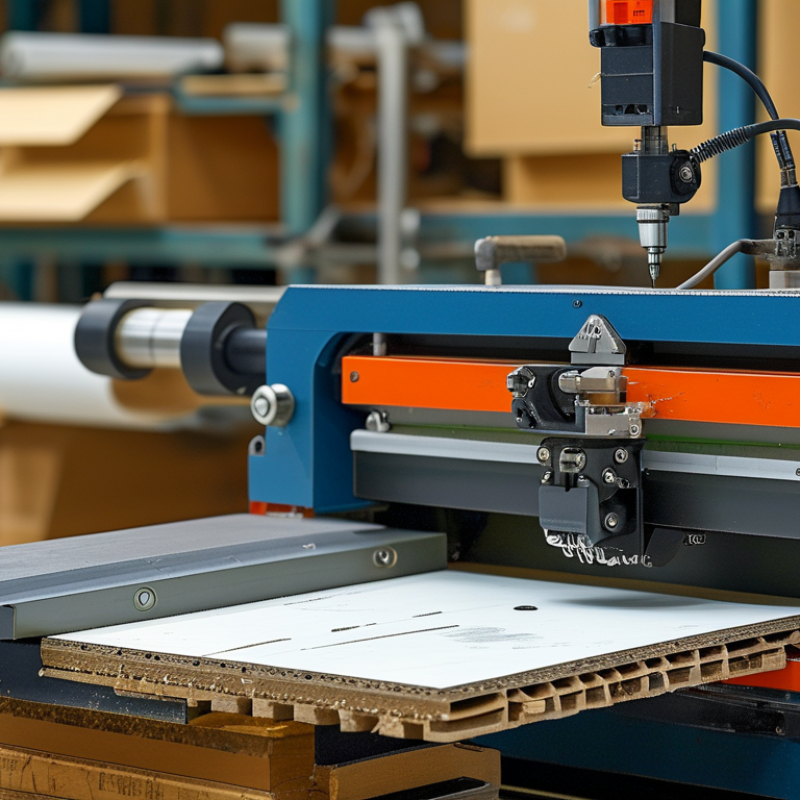
A die cutting machine uses a shaped tool to cut, crease, emboss, or perforate sheet materials. It commonly processes paperboard, labels, films, foam, and thin gasket materials. The machine feeds a sheet into a cutting station. Pressure then pushes the die through the material against a firm surface.
A control system manages feeding speed, pressure, alignment, and waste removal. Small registration errors can spoil an entire batch.
Tips: Test several samples before full production. Measure cut depth, edge quality, and crease accuracy. Excessive pressure may damage the cutting board or compress the material. Insufficient pressure leaves incomplete cuts. In practical work, a clean first sample can still hide problems after hours of operation. Check tools regularly, and record the settings for each material. Humidity, sheet thickness, and surface coating can change performance. No machine setting is permanently perfect.
Die cutting machines fall into several practical categories. Global buyers commonly compare flatbed, rotary, platen, laser, digital, steel-rule, hydraulic, pneumatic, automatic, and semi-automatic models. These labels can overlap. That matters.
Flatbed and platen machines use a shaped die to cut cartons, labels, foam, or gaskets with high repeatability. Rotary machines run rolls continuously, making them efficient for labels and flexible packaging. Steel-rule systems suit short runs and varied shapes. Laser machines remove tooling costs and support rapid design changes, but heat can affect sensitive films. Digital die cutters offer flexible, tool-free production for samples and shorter orders.
Automation changes the buying decision. PMMI’s 2024 State of the Industry report placed U.S. packaging machinery shipments at approximately US$10.7 billion in 2023. That scale reflects strong demand for faster changeovers, inspection, and connected controls. Smithers’ industry research also highlights digital finishing and shorter production cycles as important growth areas through the decade. Buyers should check actual output, not only advertised speed. A machine rated at 6,000 sheets per hour may slow sharply with stripping, registration, or frequent format changes. A practical test should measure waste, setup minutes, die life, noise, and operator training. The category is not always obvious. A well-built semi-automatic machine may outperform an oversized automatic system in a mixed-order plant.
The top 10 die cutting machine types serve different materials, volumes, and accuracy requirements. Flatbed steel-rule machines suit cartons, gaskets, foam, and layered sheets. Rotary die cutters run continuously and support high-speed label, film, and packaging production. Platen presses deliver strong, even pressure for thicker boards and molded components. Cylinder presses offer controlled cutting for medium-volume work. Clicker presses are practical for leather, rubber, textiles, and small batches.
Beam presses provide a large working area for repeated sheet cutting. Swing-arm presses improve access when operators position smaller pieces by hand. Traveling-head machines move across broad materials, reducing repeated manual alignment.
Digital die cutters use programmed blades, making prototypes and short runs easier to change. Laser cutting systems are not traditional die cutters, but they handle detailed patterns without physical tooling.
Material behavior matters. A soft foam sheet may compress beside the cut line, while coated board can crack if pressure rises too quickly. I have seen buyers select a rotary system for low-volume work, then struggle with setup costs. That choice was efficient only on paper. Tooling tolerance, waste removal, stroke speed, and operator safety deserve equal attention. Check local power standards and service support before comparing output claims. Small details decide reliability.
Top 10 Die Cutting Machine Types for Global Buyers
Material choice determines the machine architecture. Rotary systems suit high-volume paper, film, and thin board. Flatbed machines handle rigid corrugated board with cleaner control on complex shapes. Steel-rule die cutters work well for labels, cartons, foam, and flexible sheets. For thick rubber or composite materials, cutting force matters more than headline speed.
Precision also depends on registration, tooling stability, and waste removal. Experienced operators check edge quality under magnification, not only the machine display. A 0.2-millimeter error can misalign a folding carton or expose a sealing edge. Smithers’ packaging outlook values the global packaging market at more than US$1 trillion annually, increasing pressure for repeatable production. Yet, higher speed can magnify vibration and feeding errors. Fast is not always better.
Automation changes the labor profile. Automatic feeding, camera inspection, and recipe storage reduce repeated manual adjustments. The International Federation of Robotics reported 541,302 industrial robot installations worldwide in 2023. This figure does not measure die cutters directly, but it shows the wider move toward automated plants. Servo-driven systems usually deliver tighter control than older mechanical designs. Still, maintenance skill, material variation, and operator training remain decisive. My practical view is imperfect: buyers sometimes overvalue automation and undervalue tooling access. A machine that stops for difficult setup loses its promised productivity.
Comparative benchmark scores from 1 to 10 based on typical industrial capabilities. Higher scores indicate broader material compatibility, tighter cutting precision, faster production potential, or greater automation.
Material versatility reflects the range of substrates commonly processed. Precision, speed, and automation are indicative industry benchmarks for standard production configurations and may vary by tooling, material thickness, job complexity, and machine setup.
Top 10 Die Cutting Machine Types for Global Buyers
Selecting a die cutting machine starts with the material, not the machine catalog. Paperboard, foam, leather, labels, and thin plastic each require different cutting pressure and tooling. Rotary die cutters suit high-volume rolls and continuous production. Flatbed machines offer accurate cuts for thicker sheets and short production runs. Digital cutters reduce tooling costs and support frequent design changes. For packaging, pay attention to creasing, perforation, stripping, and waste removal.
Global buyers should compare more than cutting speed. Check maximum sheet or web width, repeat accuracy, setup time, power requirements, and operator access. A machine designed for 230-volt power may need adaptation in another facility. Confirm local electrical standards before signing an order. Also inspect blade availability, software compatibility, training, and service response times. These details often affect production more than the advertised cycle rate.
Ask suppliers for sample tests using your actual material. Measure edge quality, dust, deformation, and waste percentage. Request references from companies with similar output levels. A small workshop may need a compact platen press, while a converter may need a high-speed rotary system. The cheapest option can become expensive after repeated tooling changes and manual handling. Still, specifications do not tell the whole story. A perfect spreadsheet rarely predicts operator comfort. Recheck your assumptions after a real trial.
The table below compares common die cutting machine types by operating principle, suitable materials, typical production profile, and purchasing considerations. Capacity, cutting force, accuracy, and material thickness vary by machine configuration, tooling, and application.
| Machine Type | Operating Principle | Typical Materials | Typical Material Thickness | Production Profile | Key Advantages | Main Limitations | Best Fit and Selection Criteria |
|---|---|---|---|---|---|---|---|
| Flatbed Platen Die Cutting Machine | A flat platen presses a shaped die vertically through sheet or web material. | Paperboard Corrugated board Foam Rubber Leather | Approximately 0.2–10 mm, depending on material density, die design, and machine force. | Short to medium runs; suitable for frequent job changes and multiple shapes. | Versatile tooling, good cut quality, suitable for creasing, perforating, embossing, and stripping in one process. | Usually slower than rotary systems for very high-volume continuous production; tooling setup affects changeover time. | Choose for: packaging, gaskets, insulation parts, and mixed-product production. Check platen size, maximum cutting force, register accuracy, and automatic stripping options. |
| Rotary Die Cutting Machine | A cylindrical engraved or tooled die rotates against an anvil while material moves continuously through the machine. | Labels Flexible packaging Thin films Foils Paper | Commonly below 3 mm, with the practical limit determined by substrate hardness and die construction. | Medium to very high volumes; continuous roll-to-roll production. | High throughput, consistent repeatability, inline slitting and waste removal, and low unit cost at scale. | Rotary tooling can be expensive; less economical for low-volume products or frequent design changes. | Choose for: labels, tapes, medical disposables, and flexible packaging. Compare web width, line speed, register control, tooling cost, and waste-handling capability. |
| Laser Die Cutting Machine | A focused laser beam cuts or perforates material without physical cutting dies. | Paper Cardboard Films Textiles Thin wood | Often used from very thin films up to several millimetres; the usable range depends on laser power and material response. | Samples, prototypes, short runs, variable-data work, and digitally controlled production. | No physical die cost, rapid design changes, intricate patterns, and excellent suitability for customized work. | Thermal effects may create discoloration, melted edges, or fumes; speed can be lower for thick or highly reflective materials. | Choose for: prototypes, personalized packaging, and complex small parts. Verify laser wavelength, power, extraction system, material compatibility, and edge-quality requirements. |
| Steel-Rule Flatbed Die Cutter | A sharp steel rule embedded in a board is pressed into the material to cut, crease, or perforate a flat sheet. | Paperboard Corrugated board Foam Gaskets Synthetic leather | Approximately 0.5–12 mm for many applications, subject to machine force and material compression. | Short, medium, and general-purpose batch production. | Relatively economical tooling, quick access to custom shapes, and the ability to combine cutting with creasing and perforation. | Cutting-board wear and manual tooling changes can limit productivity in highly automated operations. | Choose for: folding cartons, displays, protective packaging, and custom gaskets. Evaluate die-board availability, make-ready time, cutting pressure, and stripping requirements. |
| Clicker Press | A swing-arm or traveling head applies force to a cutting die placed over the material. | Leather Rubber Foam Textiles Synthetic materials | Commonly 1–20 mm, depending on material compression and required cutting force. | Small to medium batches; individual parts or nested layouts. | Flexible for varied shapes and materials, relatively simple operation, and suitable for small or medium workpieces. | Manual positioning may reduce output and consistency; not ideal for continuous high-volume web production. | Choose for: footwear components, bags, upholstery parts, seals, and craft production. Compare cutting area, stroke, force, operator ergonomics, and automation options. |
| Beam Press | A large upper beam descends vertically to apply uniform pressure over a broad cutting area. | Foam Carpet Textiles Rubber Composite sheets | Approximately 5–100 mm for compressible materials, depending on beam travel and available force. | Medium to high-volume production of repeated parts from stacked or layered materials. | Large cutting area, high force, good suitability for stacking, and efficient production of multiple parts per stroke. | Large footprint, higher energy demand, and less suitable for intricate work requiring frequent manual repositioning. | Choose for: automotive interiors, mattresses, insulation, and large foam components. Check beam parallelism, daylight opening, stacking height, safety systems, and energy consumption. |
| Traveling-Head Press | A powered cutting head travels across the worktable and applies pressure at selected positions. | Leather Textiles Foam Rubber Composite materials | Typically 2–30 mm, with thicker stacks possible for compressible materials and high-force models. | Medium to high-volume production with nesting and repeated cutting layouts. | Efficient use of a large table, reduced material movement, and good support for automated or semi-automated workflows. | Higher purchase and maintenance complexity than basic presses; programming and operator training may be required. | Choose for: large-format components and nested cutting layouts. Compare head travel, table dimensions, positioning accuracy, software, and loading or unloading automation. |
| Swing-Arm Press | The cutting head pivots on an arm and presses a die into the material from above. | Leather Rubber Foam Textiles Synthetic leather | Usually 1–15 mm, depending on force, die size, and material properties. | Small to medium production; suited to flexible part sizes and manual batch work. | Compact design, accessible cutting area, relatively simple setup, and good flexibility for varied components. | Cutting pressure may not be equally convenient across the entire table; output depends heavily on operator handling. | Choose for: small components, footwear, upholstery, and general workshop use. Evaluate arm swing coverage, cutting force, table size, safety controls, and spare-part support. |
| Cylinder-Bed Die Cutting Press | A cylinder or reciprocating cutting mechanism applies pressure against a flat bed or cutting forme. | Paper Cardstock Thin board Light packaging materials | Commonly below 3 mm, depending on the press design and substrate stiffness. | Short to medium runs, especially where sheet handling and print-finishing operations are combined. | Good sheet control, reliable registration, and compatibility with certain printing and finishing workflows. | Generally less productive than modern rotary systems for long continuous runs; format and tooling can be specialized. | Choose for: commercial print finishing, cards, envelopes, and light packaging. Check sheet size, feeder compatibility, register accuracy, and available finishing functions. |
| Digital Knife Cutting Table | Computer-controlled oscillating, drag, or rotary knives cut material from programmed digital files without a hard die. | Corrugated board Foam board Textiles Gaskets Composite sheets | Often from thin sheets up to approximately 50 mm, depending on knife type, material, and compression. | Prototypes, sampling, short runs, customized orders, and variable-shape production. | Fast design changes, no hard-die storage, nesting optimization, and clean cold-cut edges on many materials. | Knife wear, limited performance on very dense materials, and lower productivity than dedicated dies for large identical batches. | Choose for: signage, packaging samples, textiles, gaskets, and custom products. Compare tool heads, cutting depth, vacuum hold-down, software compatibility, and nesting capability. |
| Hydraulic Die Cutting Press | Hydraulic cylinders generate adjustable cutting force through a platen or moving head. | Rubber Foam Plastic sheets Leather Composite materials | From thin sheets to more than 50 mm in some applications; force and platen design determine the practical range. | Medium to high-volume production where consistent force and repeatability are important. | High available force, adjustable pressure, stable operation, and suitability for demanding or dense materials. | Hydraulic systems require attention to oil, seals, temperature, noise, and maintenance; cycle speed may be lower than servo-driven alternatives. | Choose for: industrial seals, rubber parts, foam products, and heavy sheet materials. Confirm required tonnage, platen parallelism, cycle time, hydraulic maintenance, and safety compliance. |

Note: Thickness and throughput figures are indicative industry ranges rather than universal specifications. Buyers should validate cutting force, working area, tooling compatibility, electrical requirements, safety certification, installation conditions, and after-sales service for the intended material and production volume.