Essential Tips for Choosing a Pressure Vessel for Your Needs?
Choosing the right Pressure Vessel is crucial for various industries. According to the International Journal of Pressure Vessel Technology, improper selection can lead to safety hazards and operational inefficiencies. The global market for pressure vessels is projected to grow significantly, indicating rising demand across sectors like oil and gas, chemicals, and pharmaceuticals.
Expert Keith Thompson, a renowned authority in pressure vessel design, emphasizes, "Selecting a pressure vessel requires careful consideration of materials and design standards." His insights underline the importance of understanding operational needs.
When choosing a pressure vessel, factors like size, design, and material must be evaluated. Many overlook these details, risking compliance issues and performance problems. A well-chosen pressure vessel can enhance operational efficiency and safety. However, the decision process often involves complexity and requires industry knowledge to navigate effectively.
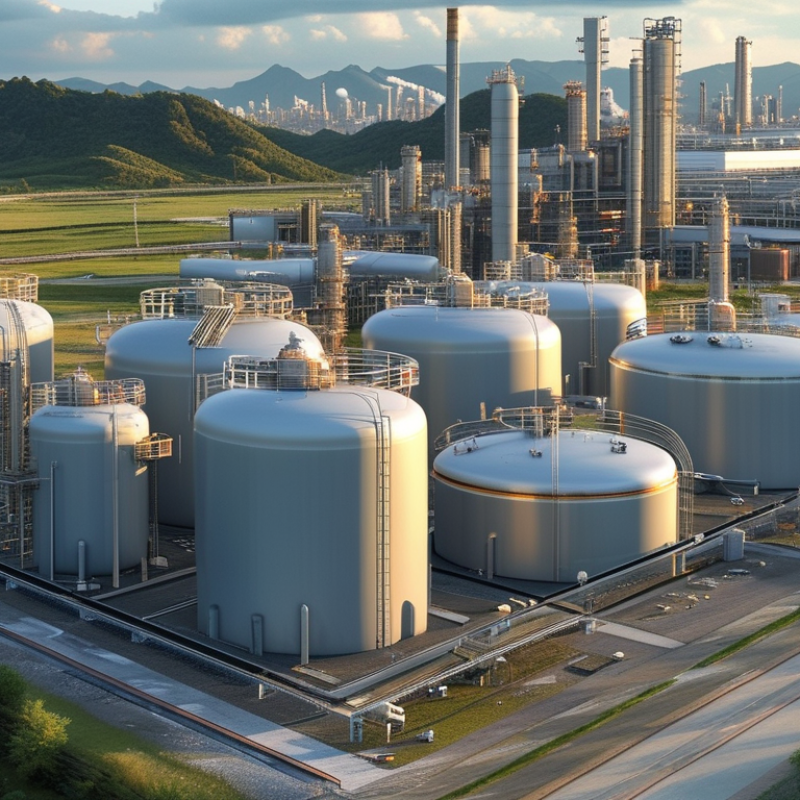
Understanding Different Types of Pressure Vessels and Their Applications
When choosing a pressure vessel, understanding the different types can significantly impact its performance. There are several common types: storage tanks, reactors, and heat exchangers. Each one serves a specific purpose in varying conditions. Storage tanks are designed for holding liquids or gases at high pressure. Reactors facilitate chemical reactions, often requiring specific material compatibility. Heat exchangers transfer heat between two fluids, which can be crucial for energy efficiency.
Selecting the right type depends on your application. Consider the materials involved and the pressures required. For example, in industries like oil and gas, carbon steel is often favored for its strength. In other scenarios, specialized materials might be essential for safety. However, cost can sometimes drive decisions, leading to trade-offs that may not always be safe or efficient.
Additionally, installation and maintenance play crucial roles. Many overlook these aspects, yet they are vital for long-term functionality. Improper installation can lead to failures or leaks, while inadequate maintenance can shorten the vessel's lifespan. Reflecting on these elements will help ensure a safer setup for your operations.
Key Factors Influencing Pressure Vessel Design and Safety Standards
When selecting a pressure vessel, safety standards are paramount. The American Society of Mechanical Engineers (ASME) provides essential guidelines. Compliance with these standards ensures safety and performance. For instance, ASME's Boiler and Pressure Vessel Code (BPVC) outlines critical design principles. According to a 2022 report from the National Board of Boiler and Pressure Vessel Inspectors, about 20% of pressure vessel failures result from poor design choices.
Material selection is another key factor. Common materials include carbon steel and stainless steel, each with unique properties. Carbon steel is often favored for its strength, while stainless steel resists corrosion. Still, incorrect material choices can lead to vessel failure. A case study from the Journal of Pressure Vessel Technology indicated that nearly 30% of failures were linked to improper material selection.
Design considerations also play a significant role. Factors like pressure rating, temperature range, and intended service influence the vessel’s configuration. Inadequate pressure ratings can lead to catastrophic failures. While many designs meet initial safety standards, they may overlook long-term performance. Engineers must continuously assess these factors to ensure reliability and safety.
Material Selection for Pressure Vessels: Guidelines and Best Practices
Choosing the right material for pressure vessels is critical. Different environments require specific materials. According to industry reports, carbon steel is commonly used. It offers good strength and cost-effectiveness. However, it may not resist corrosion well. For aggressive environments, stainless steel or alloy materials are necessary. These materials ensure longevity and safety but often come with higher costs.
When selecting materials, consider factors like pressure rating and temperature. High-pressure vessels require materials that can withstand extreme conditions. For instance, while choosing for a chemical plant, a material's resistance to specific chemicals is paramount. Many facilities overlook this, leading to premature failures. A study highlighted that nearly 30% of pressure vessel failures stem from incorrect material selection.
Regular inspections and maintenance are essential. They can prevent accidents caused by material weaknesses over time. Emerging technologies in material science may offer better options. Innovative alloys can provide enhanced durability and reduced weight. However, the adoption of new materials often requires significant investment. Balancing initial costs and long-term benefits is a persistent challenge.
Importance of Regulatory Compliance in Pressure Vessel Selection
When selecting a pressure vessel, regulatory compliance is crucial. Adhering to standards like ASME and API helps ensure safety and reliability. According to a recent report from the American Society of Mechanical Engineers, pressure vessel failures often result from non-compliance with these codes. Companies can face severe penalties, including fines and operational shutdowns, reinforcing the importance of proper adherence.
Understanding local regulations is equally important. Different regions may enforce varying standards for pressure vessels. The National Board of Boiler and Pressure Vessel Inspectors emphasizes that regular inspections are essential for maintaining compliance. Failure rates in pressure systems can markedly increase without them, underscoring the necessity for diligent oversight.
Choosing a compliant pressure vessel may seem challenging. Some manufacturers may cut corners during production. This highlights the need for thorough research and scrutiny of vendor practices. A proactive approach to compliance not only mitigates risks but also promotes long-term operational efficiency. Investing in quality and adherence to regulations ensures a safer working environment.
Evaluating Lifecycle Costs and Maintenance Needs for Pressure Vessels
When evaluating lifecycle costs for pressure vessels, it’s vital to consider both initial purchase price and long-term financial implications. A 2022 industry report indicated that lifecycle costs can account for up to 80% of the total cost of ownership. This highlights the importance of selecting a pressure vessel that offers efficient energy use and low maintenance requirements. Prices per unit may vary, but the hidden costs can add up significantly over time.
Maintenance plays a crucial role in ensuring the longevity of pressure vessels. Regular inspections and maintenance can prevent costly repairs and enhance safety. According to the American Society of Mechanical Engineers, non-compliance with maintenance schedules can lead to operational failures. A surprising statistic reveals that unanticipated repairs can increase operational costs by approximately 30% each year. Choosing a vessel designed for easy access and maintenance can mitigate these risks.
It's also essential to reflect on how technology is evolving in this field. Incorporating smart monitoring systems can help in predictive maintenance, reducing unexpected downtime. However, not all companies are adopting these advancements, which may lead to missed opportunities for cost savings. Not every vessel will suit every application, so a thorough assessment of both your operational needs and your future goals is necessary.
Lifecycle Costs and Maintenance Needs for Pressure Vessels
This chart illustrates the lifecycle costs associated with different material types for pressure vessels. Understanding these costs is essential for making informed decisions regarding pressure vessel selection based on maintenance needs and overall lifecycle expenses.