What is Solar Panel Connectors and How Do They Work?
Solar Panel Connectors play a crucial role in the efficient functioning of solar energy systems. According to Dr. Emily Carter, a leading expert in renewable energy technology, “The connection between solar panels determines the overall efficiency of the entire system.” This underscores the importance of understanding Solar Panel Connectors.
Each component, from the connectors to the panels, impacts energy output. Solar Panel Connectors ensure a reliable electrical connection, minimizing energy loss. Despite their seemingly simple design, these connectors must withstand harsh weather conditions and ensure safety. Improper connections can lead to performance issues or even system failure.
Understanding the intricacies of Solar Panel Connectors can be daunting. Many installers may overlook their significance. However, focusing on quality and compatibility is essential for long-term success. By acknowledging these challenges, we can improve our approach to solar technology.
What Are Solar Panel Connectors?
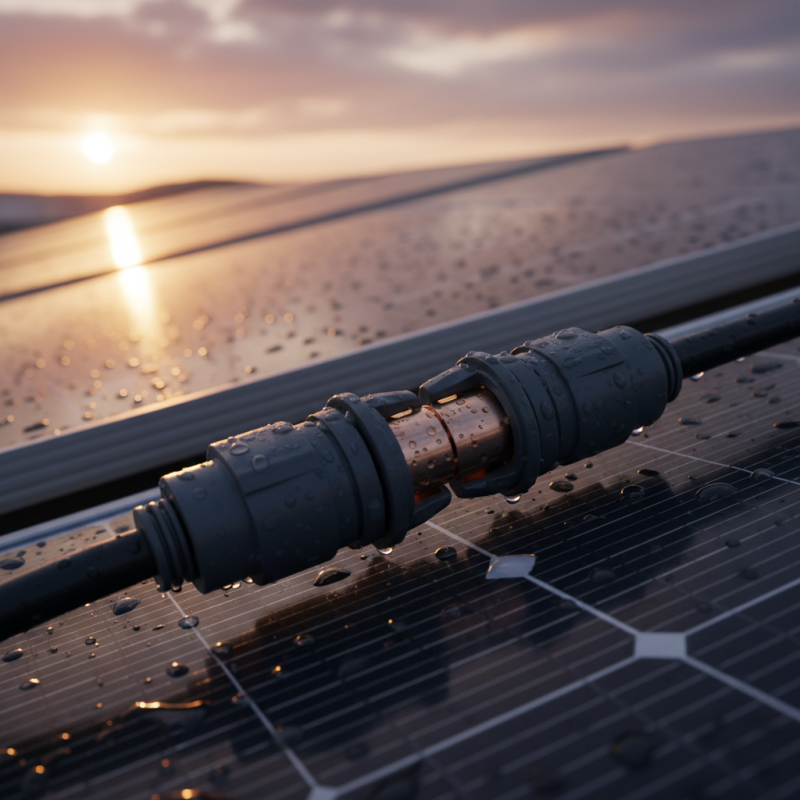
Solar panel connectors play a vital role in the efficiency and safety of solar energy systems. These connectors facilitate the electrical connections between solar panels and inverters or other components. Proper connectivity ensures that the energy generated by the solar panels flows seamlessly into the system. According to a report by the International Renewable Energy Agency, effective wiring and connections can improve energy efficiency by up to 15%.
Solar panel connectors come in various types, including MC4 and M8. MC4 connectors are the most commonly used in the industry due to their ability to withstand harsh weather conditions. They are designed to be easily connected and disconnected, promoting safe installation and maintenance. However, some users may overlook the importance of proper sealing and weatherproofing, which can lead to efficiency loss and safety risks over time.
Additionally, studies indicate that improper connector installation can lead to significant long-term costs. Reports suggest that up to 20% of system failures in solar installations can be traced back to faulty connections. It’s crucial for installers and users to recognize and address these potential issues. Regular inspection and maintenance of connectors can prevent unnecessary downtime and reduce expenses in the long run.
Types of Solar Panel Connectors Available
Solar panel connectors play a crucial role in the efficiency of solar energy systems. Various types of connectors exist, each designed for specific applications. Two common types are MC4 connectors and Tyco connectors. MC4 connectors are popular in many solar installations due to their simplicity and ease of use. They ensure a secure connection, reducing the risk of energy loss.
Tyco connectors offer a different set of advantages. They are known for their robustness and ability to withstand harsh environmental conditions. However, they can be more complex to install compared to MC4 connectors. Sometimes, people overlook the importance of selecting the right connector type, which can lead to long-term issues. Ensuring compatibility between the solar panel and the inverter is vital for maximizing performance.
Installation errors are common, especially among beginners. Many users may neglect proper sealing or tightening, which can result in moisture infiltration. This oversight can lead to decreased efficiency and potentially damage the system. It's essential to regularly inspect connectors and address any signs of wear. Ensuring that your solar panel connectors are in good condition can significantly enhance the longevity and reliability of your solar power setup.
How Solar Panel Connectors Work Together
Solar panel connectors are vital components in solar energy systems. They enable the secure and efficient electrical connection between solar panels. Understanding how these connectors work together is crucial for any solar installation.
Connectors often come in pairs, designed to fit snugly and ensure a strong electrical connection. When plugging them in, a click sound indicates a secure fit. This sound is reassuring, yet users should double-check the connection visually. Loose connections can lead to energy loss and safety hazards.
Different types of connectors are available. The MC4 connector is the most common due to its ease of use and reliability. However, alternatives exist, and unfamiliarity with them can lead to confusion. Proper selection and installation are essential. An improper choice may affect efficiency. While solar panel connectors are straightforward, they require careful handling. This ensures optimal performance and longevity of the solar system.
Installation and Maintenance of Solar Panel Connectors
When it comes to solar panel connectors, proper installation and maintenance are crucial. These connectors play a vital role in ensuring that the photovoltaic system operates efficiently. They are responsible for joining solar panels to the electrical system. Neglecting these connectors can lead to serious issues, including power loss or even fire hazards.
Installation begins by ensuring cleanliness. Dust and debris can compromise the connection, leading to performance issues. A visual inspection of connectors is essential. Look for any signs of wear, corrosion, or physical damage. If connectors appear worn, they may need replacement. A good practice is to secure connections tightly to prevent moisture ingress.
Maintenance also involves regular checks. During rainy or snowy weather, water can seep in. This can cause corrosion over time. It's advisable to inspect connectors at least once a season. If you notice any unusual heating or discoloration, further investigation is warranted. Taking the time to address small issues can prevent larger problems in the future. Proper care ensures maximum energy production and extends the life of your solar panels.
Benefits of Using Quality Solar Panel Connectors
Quality solar panel connectors are essential for maximizing efficiency in solar energy systems. According to a report by SolarPower Europe, reliable connectors can enhance energy transfer by up to 5% compared to lower-quality options. These connectors ensure a stable and safe connection between the solar panels and the inverter. A poor connection can lead to energy loss and even potential overheating, which may compromise the entire system.
The benefits of using high-quality connectors extend beyond efficiency. They improve durability and weather resistance, vital for outdoor installations. A study published in the Journal of Renewable Energy highlighted that quality connectors can withstand extreme temperatures and harsh weather conditions, significantly reducing maintenance costs. Moreover, connectors with proper certifications can enhance safety by minimizing electrical risks. However, it’s not uncommon for some installers to overlook these critical components when planning their systems, which can lead to unforeseen issues down the line.
What is Solar Panel Connectors and How Do They Work? - Benefits of Using Quality Solar Panel Connectors
| Connector Type | Material | Voltage Rating | Current Rating | Benefits |
| MC4 | Polymer | 1000 V | 30 A | Weatherproof, UV resistant, high efficiency |
| Amphenol H4 | Plastic and Metal | 1500 V | 40 A | Robust design, easy handling, reliable connection |
| SolarEdge Connectors | Metal | 1000 V | 25 A | Enhanced safety, optimal power yield, specified for SolarEdge systems |
| Tyco Connectors | Plastic | 1500 V | 30 A | Durable, high-temperature resistance, cost-effective |
| JST Connectors | Metal and Plastic | 1000 V | 20 A | Compact design, reliable performance, compatibility with various modules |