Essential Tips for Api6a Gate Assembly for Global Buyers?
When it comes to the API6A gate assembly, precision and expertise are crucial. This assembly is vital in the oil and gas industry, ensuring safety and reliability. Global buyers must understand the nuances involved in selecting the right components. Each piece plays a significant role in overall performance.
Buyers often face challenges in sourcing these assemblies. Not every supplier meets the heavy standards required for API6A products. It's essential to evaluate manufacturers based on their experience and certifications. Testimonials from past clients can provide valuable insights into a supplier's reliability.
The process of assembling API6A gates can be complex. Ensuring compatibility between parts is vital for functionality. Even slight deviations can lead to failures or inefficiencies. Buyers should keep in mind that not all components are created equal, leading to potential issues down the line. Thus, thorough research and careful consideration are essential for making informed decisions.
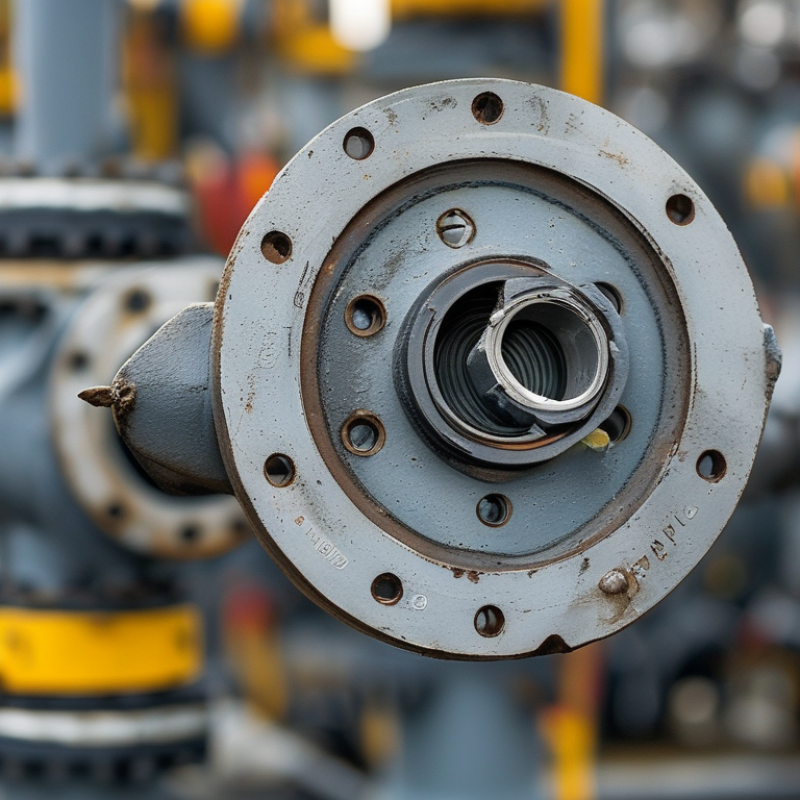
Essential Understanding of API 6A Standards for Gate Assemblies
Understanding API 6A standards is crucial for buyers involved in gate assembly. API 6A sets forth guidelines for equipment used in the oil and gas industry. These standards ensure the safety and reliability of gate valves, which are essential in controlling the flow of fluids. Adhering to these standards fosters confidence in the performance of the gate assembly.
Each component, from the body to the seals, must meet specific criteria outlined in API 6A. Dimensions, materials, and testing methods are defined in detail. For instance, materials must resist corrosion and withstand high pressure. Testing procedures ensure durability and functionality across various conditions. Many buyers overlook the significance of using certified materials. Not all manufacturers adhere strictly to these norms. This can lead to potential failures in critical situations.
Engagement with trusted suppliers is key when sourcing gate assemblies. It is essential to verify their compliance with API 6A standards. Look for certifications and ask for inspections reports. Understanding product lineage can highlight areas for improvement. Overall, being informed about API 6A standards enhances decision-making. It ultimately leads to improved safety and efficiency in operations.
Components Required for API 6A Gate Assembly Construction
When constructing an API 6A gate assembly, understanding its components is crucial. The primary elements include the body, gate, and stem. The body forms the main structure, often made from high-strength materials for pressure endurance. Selecting the right material is essential as it influences the design's efficacy.
The gate itself acts as a barrier, controlling fluid flow. It must fit perfectly within the body to ensure a reliable seal. Many overlook the importance of precision machining in this process. A well-machined gate minimizes leaks, a common source of failure in assemblies. It’s critical to measure and test components accurately.
Stems and other actuation components also play vital roles. They facilitate smooth operation of the gate, enabling quick opening and closing. Poorly designed stems can lead to operational inefficiencies. Consistent testing and quality checks throughout the assembly process enhance reliability. Reflecting on assembly practices can uncover weaknesses in design or execution, fostering continuous improvement in quality and performance.
Step-by-Step Assembly Process for API 6A Gates
When assembling API 6A gates, attention to detail is crucial. Begin by gathering all necessary components. Each part should be verified for quality and compatibility. Often, imperfections in components can lead to difficulties during assembly. Inspecting each piece can save time and prevent future issues.
Next, follow a systematic approach during assembly. Place the gate body on a stable surface. Ensure that the sealing elements are aligned properly before tightening any bolts. This step is vital for achieving a reliable seal. Mistakes here can result in leaks, impacting functionality. Keep a checklist nearby to track each step completed.
After the initial assembly, conduct a thorough inspection. Check for any misalignments, loose bolts, or wear on seals. Even minor errors during assembly can lead to significant problems later. Testing the assembled gate under controlled conditions will help identify any shortcomings. Address these issues before the gate is deployed in the field, ensuring reliability and safety.
Essential Tips for API 6A Gate Assembly
Quality Control Measures in API 6A Gate Assembly
When it comes to API 6A gate assembly, quality control is paramount. Research from industry reports indicates that about 30% of assembly errors arise from inadequate quality assessments. Implementing rigorous inspections can significantly reduce this rate. Regular checks during production ensure that each component meets the exact specifications laid out in API standards. This includes verifying material certifications, dimensional accuracy, and functional testing under pressure conditions.
An effective quality control program must involve multiple stages. Initial inspections should focus on raw materials. Mid-production checks assess assembly practices, while final inspections test the completed gates. Statistics show that companies implementing a multi-stage inspection process have seen defect rates drop by as much as 50%. However, many fail to conduct thorough follow-through checks, leading to hidden issues. These oversights can result in costly field failures, affecting both safety and operational efficiency.
Quality control also extends to worker training. Skilled technicians are vital in identifying potential assembly issues. Continuous education on the latest standards and technologies keeps teams sharp. Yet, many organizations overlook ongoing training, which can lead to stagnation in skills. Rapid advancements in manufacturing processes necessitate regular updates to training programs to ensure all personnel are knowledgeable about the latest API standards. Balancing experience with innovation is essential for maintaining high-quality gate assembly.
Common Challenges and Solutions in Assembly for Global Buyers
When assembling API 6A gate valves, global buyers often encounter unique challenges. Common issues include misalignment during assembly, inadequate sealing, and component damage. According to a recent industry report, about 30% of assembly errors stem from improper handling and inspection protocols. Such errors can lead to significant operational inefficiencies and increased costs.
Effective assembly requires strict adherence to detailed specifications and best practices. A thorough visual inspection of components before assembly can significantly reduce defect rates. Proper alignment tools are essential for ensuring that all parts fit together correctly, helping to maintain integrity and functionality. Incorporating training programs for assembly personnel can also lead to better understanding and execution of assembly techniques.
Another aspect to consider is the selection of materials. Quality control in the sourcing process is vital. Reports indicate that subpar materials increase the likelihood of leaks and failures. Each part must undergo rigorous testing and verification. Buyers should not overlook the importance of maintaining accurate documentation throughout the assembly process. This practice facilitates problem-solving and continuous improvement.
Essential Tips for Api6a Gate Assembly for Global Buyers
| Tip | Description | Common Challenges | Solutions |
| Understand Specifications | Familiarize yourself with the specific API 6A standards relevant to gate assembly. | Misinterpretation of specifications leading to assembly errors. | Review official documentation and consult with experts. |
| Quality Control | Implement quality checks at every assembly stage. | Defective components affecting overall quality. | Use standardized quality control methods and protocols. |
| Training Personnel | Ensure that all assembly personnel are well-trained. | Inconsistent assembly due to untrained personnel. | Provide training sessions and ongoing assessments. |
| Assembly Tools | Select appropriate tools for effective assembly. | Using improper tools leading to assembly failure. | Regularly review and upgrade tools as needed. |
| Documentation | Keep detailed assembly records and manuals. | Missing documentation can lead to errors. | Maintain organized records and easy access. |