How to Choose the Right LED Display Screen for Your Business?
In the rapidly evolving digital landscape, selecting the right LED display screen is crucial for businesses aiming to enhance their visibility. According to a recent report by MarketsandMarkets, the global LED display market is projected to reach $30 billion by 2025, highlighting the increasing demand for high-quality visual solutions. Businesses need to consider factors such as size, resolution, and brightness when making this decision.
Dr. Emily Chen, a leading expert in LED technology, emphasizes the importance of these factors: "Choosing the appropriate LED display screen can significantly impact customer engagement and brand perception." This statement reflects the growing recognition of LED displays in marketing strategies. However, many companies struggle to balance quality with budget constraints, leading to potential regrets later on.
Furthermore, an overwhelming array of options can create confusion. Not every LED display screen is suited for every environment or purpose. Evaluating the specific needs of your business is vital to avoid costly mistakes. As the industry evolves, businesses must stay informed and make strategic choices in their LED display investments.
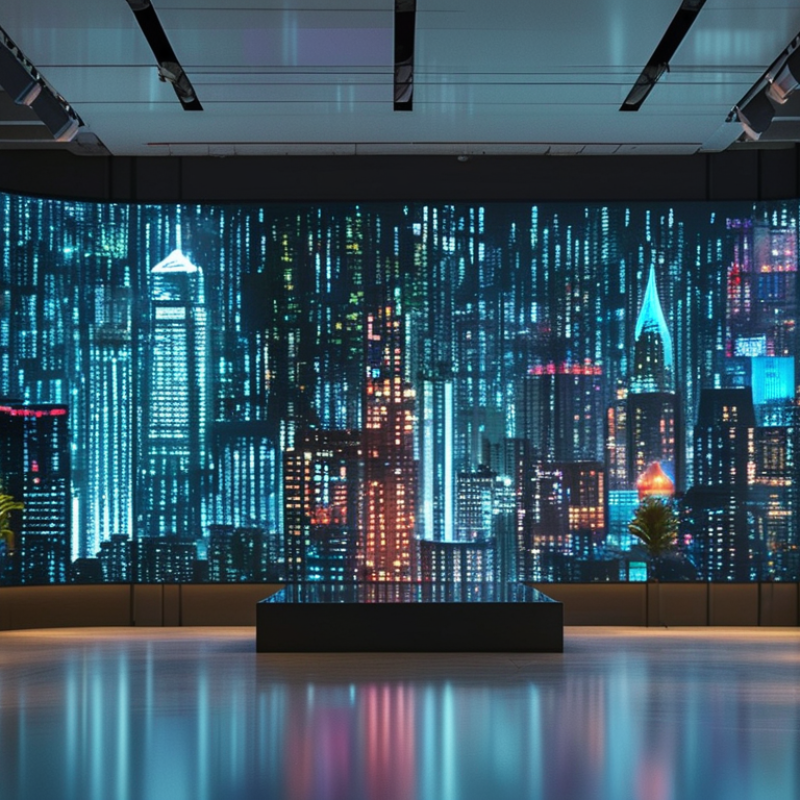
Factors to Consider When Selecting an LED Display Screen
Choosing the right LED display screen requires careful consideration of various factors. The size and resolution of the screen are crucial. A high-resolution display is vital for clarity, especially in large venues. For outdoor use, brightness levels matter. A bright screen makes content visible even in direct sunlight.
Another essential factor is the type of content you will display. Static images need less resolution than videos. If you plan to show dynamic ads, invest in a display with high refresh rates. This prevents flickering and improves viewer engagement.
Moreover, consider the installation environment. Indoor and outdoor conditions vary significantly. Weather-resistant features are essential for outdoor screens. Connectivity options also play a role. Ensure the display can easily connect to your content sources.
Reflecting on these factors can help streamline the selection process and avoid costly mistakes.
Types of LED Display Screens Suitable for Different Business Needs
When considering LED display screens for your business, it's important to match the type with your specific needs. For indoor environments, products like narrow pixel pitch displays are ideal. They offer high resolution and vibrant colors, making them perfect for retail spaces. However, they may require frequent calibration, which could be a drawback for busy environments.
Outdoors, on the other hand, larger LED billboards are more suitable. They are designed to withstand weather conditions and are visible from long distances. Still, they can consume more power and might have lower resolution compared to indoor screens. Business owners should consider the installation and maintenance costs as well, as these can vary widely based on the screen type and mounting options.
Finally, specialized screens like transparent LED displays offer a unique way to engage customers without obstructing views. However, they may not always be the best choice for high-traffic areas, where durability is a primary concern. Each type comes with its own set of challenges and benefits, so careful evaluation is essential.
Understanding Pixel Pitch and Its Impact on Display Quality
When selecting an LED display screen, understanding pixel pitch is crucial. Pixel pitch refers to the distance between pixels on the screen. A smaller pixel pitch means a higher pixel density, resulting in a sharper and more detailed image. This factor significantly impacts how your audience perceives the content.
For businesses, choosing the right pixel pitch is a balance. Larger pitches may suffice for outdoor displays viewed from a distance. However, indoor screens often require a tighter pitch for clarity. Consider your viewing distance. The closer the audience, the smaller the pixel pitch should be. A 2mm pixel pitch offers high-resolution images, ideal for trade shows or presentations.
Still, it's not a one-size-fits-all solution. A high-resolution screen may entail higher costs. Evaluate your needs against your budget. Sometimes, a middle ground might be the most reasonable choice. Reflect on your goals and assess how the screen's quality aligns with your brand's image. Evaluating real-life scenarios and usage can lead to better decisions.
Impact of Pixel Pitch on LED Display Quality
This chart illustrates the relationship between pixel pitch and image quality rating for LED display screens. As the pixel pitch increases, the perceived image quality generally decreases, which is significant in determining the right display for specific business applications.
Evaluating Brightness and Visibility for Indoor and Outdoor Usage
Choosing the right LED display screen requires careful consideration of its brightness and visibility. For indoor usage, a brightness level between 200 to 500 nits is often adequate. However, brighter screens are essential in environments with high ambient light. Deciding on your location will directly affect your choice.
Outdoor displays are a different story. They need to be significantly brighter, typically between 1,500 to 5,000 nits. This level ensures visibility even in direct sunlight. The higher brightness also enhances color vibrancy. Keep in mind the pixel pitch, as it determines clarity from different viewing distances.
**Tips:** Always assess the surrounding light conditions before finalizing a display. Test visibility at various times during the day. Don't overlook potential distractions, like nearby buildings or structures that may block the view. A screen that performs well in one setting might not in another.
Consider the purpose of the display, such as advertising or information sharing. Each has different visibility requirements. Regularly evaluate the screen's performance to ensure it meets your specific needs. What works today might not suffice in the future.
How to Choose the Right LED Display Screen for Your Business? | Dimension | Indoor LED Display | Outdoor LED Display |
| Brightness (nits) | 1000 - 3000 | 4000 - 8000 |
| Pixel Pitch (mm) | 1.5 - 4.0 | 4.0 - 16.0 |
| Viewing Angle (degrees) | 160 (H) x 140 (V) | 120 (H) x 60 (V) |
| Power Consumption (W/m²) | 200 - 400 | 300 - 600 |
| Lifespan (hours) | 50,000 | 100,000 |
| Best Use Cases | Retail Stores, Showrooms | Billboards, Sports Events |
Budgeting for Purchase and Long-Term Maintenance of LED Displays
When budgeting for an LED display screen, companies often overlook long-term maintenance costs. The initial purchase price is just the beginning. Maintenance expenses can accumulate over time, affecting overall profitability. Regular upkeep is necessary to ensure optimal performance and longevity.
Consider the environment where the display will be used. Outdoor displays often require additional protection against weather elements. This may incur extra costs for protective enclosures and weatherproofing. Also, think about the energy consumption of the unit. Some displays consume more power than others. This can lead to higher electricity bills over time.
Investing in high-quality displays may seem expensive upfront. However, lower maintenance needs can save money in the long run. It's essential to weigh the benefits of durability against the initial costs. Analyze your specific requirements and expected usage. Reflecting on these factors can lead to more informed decisions.