2026 How to Choose the Best Road Light Pole for Your Needs?
Choosing the right Road Light Pole is essential for effective outdoor lighting. According to industry expert John Phillips, “The right pole can elevate the safety and aesthetics of any space.” This highlights the importance of selecting a Road Light Pole that meets specific needs.
When assessing options, consider the material, height, and design. Different settings may require poles made from aluminum, steel, or fiberglass. Each material offers unique benefits, influencing durability and maintenance. Additionally, height is significant. A taller pole might light up a larger area, while a shorter pole can provide localized illumination.
Aesthetics matter too. The design of a Road Light Pole should align with the environment to enhance visual appeal. This is where personal reflection comes into play. Ask yourself, does the current choice fit well with surroundings? Are you sacrificing style for function, or vice versa? These questions can guide you in making a thoughtful decision.
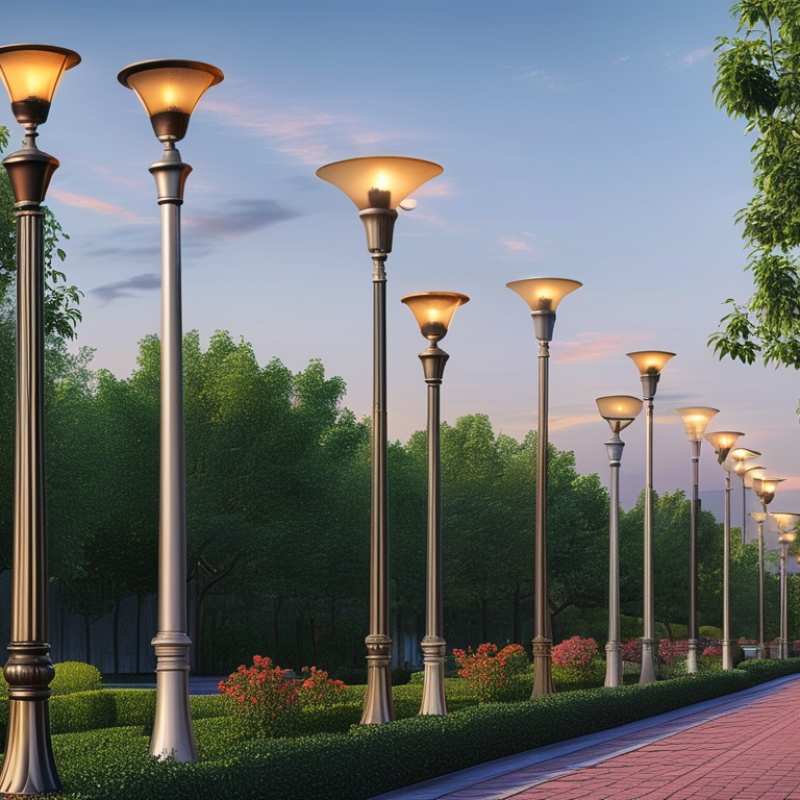
Understanding the Different Types of Road Light Poles Available
When selecting the right road light pole, it's essential to understand the various types available. There are several designs, each catering to specific needs and environments. For instance, decorative poles enhance urban aesthetics. They blend style and function, often found in city centers. On the other hand, utility poles are designed for practicality. They focus on robustness, making them ideal for busy roadways.
Materials used in road light poles also vary. Aluminum poles are lightweight and resistant to corrosion. Steel poles offer durability but are heavier. If the environment is coastal, stainless steel might be necessary to prevent rust. Concrete poles are more permanent but can be costly and hard to install. Each material has its use case, which can affect the decision-making process.
Height is another critical factor. A taller pole effectively covers a larger area but requires careful consideration of light dispersion. Moreover, think about installation and maintenance needs. Some types may need more upkeep than others. There is no one-size-fits-all; it depends on location and purpose. Identifying specific requirements will guide you toward the best choice.
Evaluating Lighting Requirements for Your Specific Application
When choosing the right road light pole, it’s crucial to evaluate your specific lighting needs. The application of your lighting system plays a significant role. For instance, urban streets may require different brightness levels compared to rural roads. Environmental factors like weather conditions also influence your decision. Assess the pole's height and how far the light will spread.
Tips: Consider the pole's material. Aluminum and steel have distinct durability and maintenance needs. Always check for weather resistance.
Additionally, think about the light source type. LED lights can be energy-efficient yet may require specific pole designs for optimal performance. Reflect on the pole's placement too. Adequate spacing is vital for effective coverage.
Remember, your choice should align with safety standards and aesthetic considerations. Regularly reevaluate the setup. Changes in traffic patterns or local regulations could impact lighting needs. Make adjustments as necessary to maintain safety and visibility.
2026 Lighting Requirements for Road Light Poles
Key Materials and Designs for Durability and Aesthetics
When selecting a road light pole, material choice is critical for both durability and aesthetics. Recent industry reports indicate that aluminum poles account for over 40% of the market. Their lightweight nature and resistance to corrosion make them a popular choice. However, aluminum can dent easily, which may lead to maintenance concerns.
Steel poles also remain a prominent option, favored for their strength. According to a 2022 study by the Lighting Research Center, steel offers a longer lifespan if properly galvanized. Corrosion can be an issue, so coatings are essential. Designers often overlook this, leading to increased long-term costs. Aesthetically, steel can be finished in various ways to blend with the surroundings.
Lastly, composite materials are gaining traction. They offer excellent durability and can mimic traditional styles. Yet, they often come at a higher price point. Many planners fail to fully evaluate total lifecycle costs. A strategic approach is needed. Each material has its strengths and weaknesses, and the right choice often depends on specific project requirements and local climate. Addressing these factors is crucial for effective and lasting lighting solutions.
Considerations for Installation and Maintenance of Light Poles
When selecting the best road light pole, installation and maintenance considerations are crucial. The type of soil affects stability. For example, loose soil requires deeper foundations. Weather conditions also matter. In areas with heavy winds, poles need robust materials. Regular inspections are essential to ensure safety and functionality.
Light pole maintenance can be challenging. Corrosion and wear can occur over time. Choosing durable finishes can reduce these issues. Ensure that all light fixtures are easy to access for replacement. Cleaning the fixtures regularly improves brightness and visibility. Unexpected failures may arise, making routine checks necessary.
Planning for future upgrades is wise. Technology evolves quickly. Smart lighting can enhance efficiency and security. However, retrofitting existing poles can be cumbersome. Ensuring flexibility for future improvements can save time and costs. The balance between initial costs and long-term benefits is delicate. Each choice should reflect both current and future needs.
Budgeting and Cost Analysis for Your Road Light Pole Project
Budget plays a crucial role in choosing the best road light pole. Establishing a clear budget ensures that you make informed decisions. Start by estimating costs for materials, installation, and maintenance. Prices vary based on poles' height, materials, and features. Consider future energy costs, too. LED lights, while initially pricier, often save money in the long run. They require less maintenance and have a longer lifespan.
When analyzing costs, investigate local suppliers. Prices may vary, and some regions offer better deals. Research available grants or funding opportunities for public infrastructure projects. This can greatly reduce upfront expenses. Factor into your budget the total cost of ownership, which includes energy bills. An efficient light pole can lead to lower operational expenses over time.
While it can be tempting to opt for the cheapest option, reflect on the potential drawbacks. Lower-quality poles may need frequent replacements. They might not withstand harsh weather. Choosing a reliable option that fits your budget can prevent higher costs down the line. Ultimately, balance affordability with quality and durability to achieve the best results.