How to Choose the Best Smart Potentiometer for Your Needs?
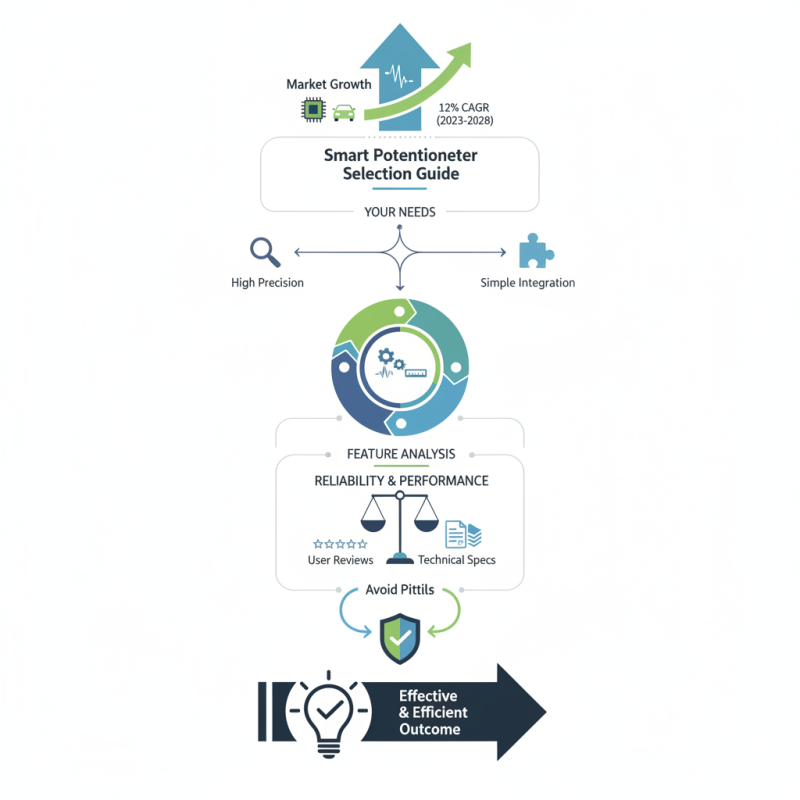
Choosing the right Smart Potentiometer for your projects can be a challenging task. According to a recent market research report by MarketsandMarkets, the smart potentiometer market is expected to grow significantly, with a projected CAGR of 12% between 2023 and 2028. This growth reflects the increasing demand for enhanced control systems in various industries, including automotive and consumer electronics.
Consider your specific needs. Different applications require different specifications. For example, some projects may demand high precision while others may prioritize simple integration. A detailed analysis of features is essential. Not every potentiometer is built the same, and understanding their unique advantages can lead to better decision-making.
It’s also crucial to assess reliability and performance. The term "smart" implies advanced functionalities, yet not all products deliver on this promise consistently. Many users have experienced compatibility issues with their existing systems. By evaluating both user reviews and technical specifications, you can avoid potential pitfalls. Investing time in research now can lead to more effective and efficient outcomes later.
Understanding Smart Potentiometers: An Overview of Their Functionality
Smart potentiometers are versatile components. They adjust resistance in electronic circuits, enabling precise control over voltage and current. These devices utilize digital inputs to alter their resistance, offering enhanced accuracy compared to traditional potentiometers. Their applications range from audio equipment to robotics, making them essential in modern electronics.
When selecting a smart potentiometer, consider its functionality. Look for features like digital communication interfaces. Compatibility with your system is crucial. For instance, ensure it supports I2C or SPI protocols. Testing various models could also reveal subtle differences in performance. It's essential to reflect on what you need. Do you require a wide resistance range, or is linearity more important?
Tips: Always verify power ratings, as exceeding them can lead to failure. Remember to assess the total harmonic distortion in audio applications. Not all devices perform well under every condition, so do your research. Seek reviews or user feedback to understand potential drawbacks. Making an informed choice can be a daunting task, but the right information can guide you.
Key Features to Consider When Selecting a Smart Potentiometer
When choosing a smart potentiometer, key features will guide your decision. First, consider the resistance range. It should match your project’s requirements. Too high or too low might affect performance. Precision is vital. Look for models that offer high accuracy for consistent results. Check the resolution too. A higher resolution provides more control, which is essential for sensitive applications.
Connectivity options also matter. Decide if you need Bluetooth, Wi-Fi, or wired connections. Each option has unique advantages depending on your setup. User interface compatibility should be assessed. A device that integrates smoothly into existing systems saves time and avoids frustration.
Tips for selecting the right potentiometer: Assess your specific use case. Talk to experts or read reviews to gauge reliability. Sometimes the newest model is not the best fit. Understand your budget but don’t compromise on quality. Choose a reputable manufacturer for lasting performance. Remember, trial and error can lead to better choices over time. Don’t hesitate to revisit your decision if needed.
Evaluating Compatibility: Ensuring Your Smart Potentiometer Fits Your System
When selecting a smart potentiometer, compatibility is crucial. Ensure that the device you choose aligns with your existing system specifications. Check factors such as operating voltage and resistance range. A mismatch here can lead to subpar performance or even failure.
Consider the type of interfacing required. Some potentiometers use I2C, while others may leverage SPI protocols. Knowing your system's communication methods is vital. It might be beneficial to read user manuals and technical sheets before making decisions.
Physical dimensions also matter. A smart potentiometer can be too large or too small for your project. Think about mounting options, pin alignment, and housing space. Your setup should not look crowded or awkward. Pay attention to potential mounting difficulties. Not every product will fit seamlessly into your design. Adjustments might be needed, and that can affect your project timeline. Always allow room for these considerations.
Performance Comparison of Smart Potentiometers
Comparing Brands: Top Manufacturers of Smart Potentiometers on the Market
When exploring the market for smart potentiometers, it’s essential to consider various brands that showcase reliability and technological advancement. Key manufacturers have pioneered versatile designs that cater to different applications. Many brands focus on digital control, which allows precise adjustments and enhances performance. This adaptability makes them suitable for both industrial and consumer use.
However, not all brands excel in every aspect. Some may provide excellent accuracy but lack in user-friendly interfaces. Others might offer affordability but compromise on durability. It is important to assess individual needs carefully. For example, if you're developing a project involving high-frequency signals, opting for a brand known for bandwidth performance could be crucial.
Researching feedback and reviews can provide insights into real-world usage. Users often share experiences that highlight strengths and weaknesses. Engaging in forums can broaden perspectives on selecting the right manufacturer. This comprehensive understanding can guide you towards making a choice that aligns with your project goals.
Assessing Cost vs. Performance: Making an Informed Purchase Decision
When selecting a smart potentiometer, evaluating cost against performance is essential. Smart potentiometers come in various specifications, each affecting the final price. According to industry reports, low-end models start around $5, while high-end options can exceed $50. This wide range indicates that buyers must consider what features genuinely meet their needs.
Performance metrics such as accuracy, response time, and durability are crucial. For instance, a potentiometer with a high accuracy rating can reduce error margins in sensitive applications. Reports suggest that accurate models improve efficiency by up to 30%. However, a more expensive option may not always be necessary. Sometimes, a mid-range model offers acceptable performance at a lower cost.
It’s vital to reflect on specific applications and long-term goals. Some users might find that low-cost models compromise essential functionalities. While they may seem like a bargain upfront, this can lead to higher replacement costs down the line. Properly assessing your requirements can prevent spending more than necessary on features that won't be utilized effectively.