2026 How to Choose the Best Lithium Battery Recycling Equipment?
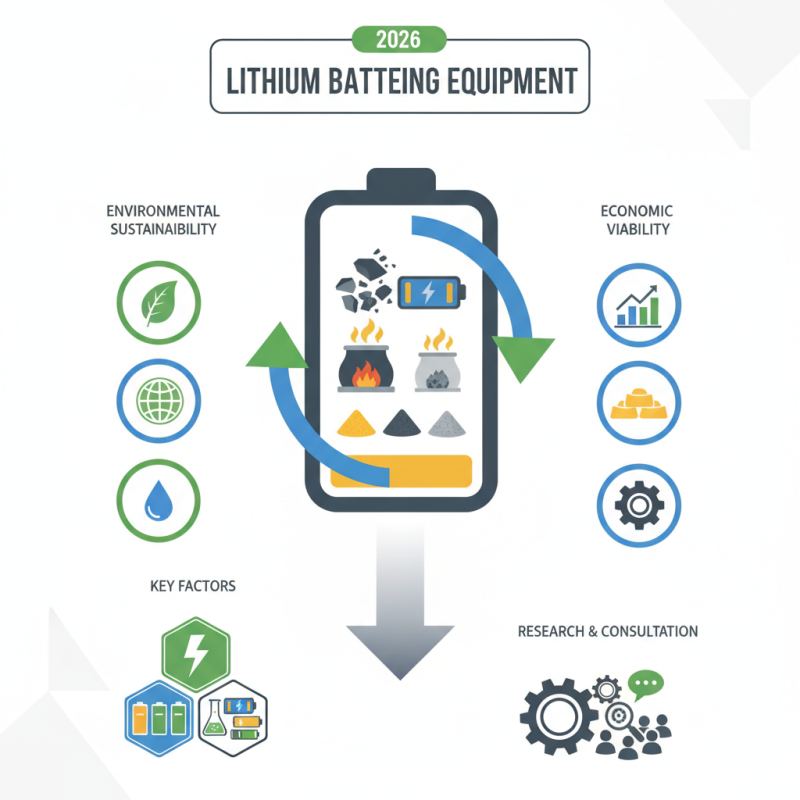
As the demand for electric vehicles and portable electronics grows, so does the need for effective recycling methods. Choosing the right Lithium Battery Recycling Equipment can significantly impact both environmental sustainability and economic viability. The equipment must not only be efficient but also reliable in extracting valuable materials from used batteries.
Factors such as energy consumption, output quality, and the ability to process various battery types should be considered. Some equipment may promise high efficiency but fail to deliver in practice. It's essential to carefully evaluate each option based on proven results and industry standards. Gathering insights from experts can guide you in making an informed decision.
Investing in good recycling equipment is crucial. It not only supports a greener planet but also provides long-term economic benefits. Mistakes in selecting equipment could lead to costly setbacks. Therefore, thorough research and consultation are vital to ensure you choose the most suitable Lithium Battery Recycling Equipment.
Overview of Lithium Battery Recycling and Its Importance
Lithium battery recycling is vital for reducing environmental impact. As lithium-ion batteries become more common, the need for recycling grows. These batteries contain valuable materials, like lithium, cobalt, and nickel. Extracting these materials prevents over-mining and conserves natural resources. Without proper recycling, harmful components can leak into the environment, posing significant risks.
Tips for effective recycling include regular training for staff on safe handling and processing. Knowledge is power; understanding the recycling process ensures efficiency. Implementing a tracking system for batteries can improve accountability. This can identify trends in usage and waste, allowing better decision-making.
Another point to consider is the technology behind recycling equipment. Investing in machines that maximize recovery rates is key. Researching various options can help find solutions that suit specific needs. Keep an eye on industry developments for innovations in recycling technology. Staying updated ensures your facility uses the most effective methods, though technology can sometimes be overwhelming and requires constant learning.
Key Factors to Consider When Selecting Recycling Equipment
Choosing the best lithium battery recycling equipment requires careful consideration of several factors. One key aspect is the efficiency of the machinery. Efficient equipment maximizes throughput while minimizing waste. It is essential to investigate the processing capacity of the machines. Opt for equipment that can handle various battery sizes and chemistries.
Another important factor is safety features. Recycling lithium batteries can pose risks. Equipment should include protective measures to prevent fires and chemical leaks. Additionally, check the equipment's emissions profile. Eco-friendly options reduce environmental impact. Consider certifications or compliance with safety standards for assurance.
Cost is a significant element in decision-making, but the cheapest option is not always the best. Maintenance needs can add to expenses. Evaluate the total cost of ownership, including parts and service. Reach out to experts or users for insights into long-term reliability. Their experiences can reveal potential pitfalls. Take time to reflect on your needs and operational goals. An informed choice enhances performance and sustainability.
Types of Lithium Battery Recycling Equipment Available
When selecting lithium battery recycling equipment, it's essential to understand the various types available. Different technologies cater to different recycling needs. For instance, mechanical systems are common. They shred batteries into smaller parts, making separation easier. These systems can handle large volumes but may miss some valuable materials.
Chemical recycling equipment offers another option. It utilizes solvents to extract lithium and other metals from battery components. This method can yield higher purity rates. However, the setup can be complicated. Additionally, the environmental impact of chemicals must be considered. Users might face challenges in balancing efficiency and safety.
Hydrometallurgical technology is emerging as a popular choice. This method involves using aqueous solutions to recover metals. It is often more environmentally friendly and less energy-intensive. But it requires precise control of conditions. Mismanagement can lead to reduced recovery rates and impurities. Choosing the right equipment requires careful evaluation of these methods. Each has its strengths and weaknesses, influencing the decision for a more sustainable future.
Comparative Analysis of Top Providers and Their Features
When selecting the best lithium battery recycling equipment, a comparative analysis of top providers is essential. Many companies offer various features, but not all are created equal. Reliability, efficiency, and environmental impact are key factors to consider. Look for equipment that handles multiple battery chemistries. Flexibility in design can enhance processing capabilities.
Some leading providers focus on automation. This can increase throughput and maintain safety. However, automated systems may sacrifice some control over the recycling process. It’s crucial to assess the trade-offs. Check the maintenance requirements too. Regular maintenance can get costly, affecting long-term financial viability.
Another feature to analyze is the scalability of the equipment. As battery demand grows, so should your capacity. Some equipment allows for easy upgrades. Consider how this may support future operations. It's not just about purchasing now; think long-term. Reflecting on your specific needs will guide you to a well-informed decision, ensuring your recycling efforts are both effective and sustainable.
Future Trends in Lithium Battery Recycling Technology
As the demand for electric vehicles continues to rise, so does the need for effective lithium battery recycling technology. Future trends are leaning towards innovative processes that not only conserve resources but also reduce environmental impact. One emerging method focuses on direct recycling. This approach aims to recover valuable materials without breaking the battery down completely. It can save energy and resources, but the challenge lies in optimizing this process for commercial use.
Another trend is the integration of artificial intelligence (AI) into recycling operations. AI can enhance sorting and separation procedures, improving efficiency. By analyzing battery compositions in real-time, it can streamline the recycling process. However, there are concerns about technology limitations and integration costs. Despite its potential benefits, the reliance on AI may raise questions about data security and operational transparency.
Advancements in hydrometallurgical processes are also noteworthy. These methods use environmentally friendly solvents to extract metals. While promising, they require careful management to prevent contamination. Balancing efficiency with environmental safety remains a significant hurdle. Innovations are happening, but the path to an optimal lithium battery recycling framework is still evolving. Ongoing research and collaboration in this field will be crucial to ensuring sustainable solutions.