How to Choose the Best Anti Drone Device for Your Needs?
In an era where drones are becoming commonplace, the need for effective security measures is paramount. An Anti Drone Device can provide protection against unauthorized drone activities. These devices vary widely in technology and application. Choosing the right one for your specific needs is critical.
Understanding what makes an effective Anti Drone Device involves balancing several factors. Security, versatility, and ease of use are essential considerations. Each device comes with unique features designed for different scenarios. The right choice depends on various factors, including the environment and potential threats.
The landscape of drone technology is constantly evolving. This creates challenges for those seeking reliable defense mechanisms. Therefore, having expert guidance during your selection process is invaluable. Pay attention to user reviews and expert opinions. Identifying your specific requirements will help streamline your decision-making. Trustworthy and comprehensive information is key to selecting an Anti Drone Device that meets your needs effectively.
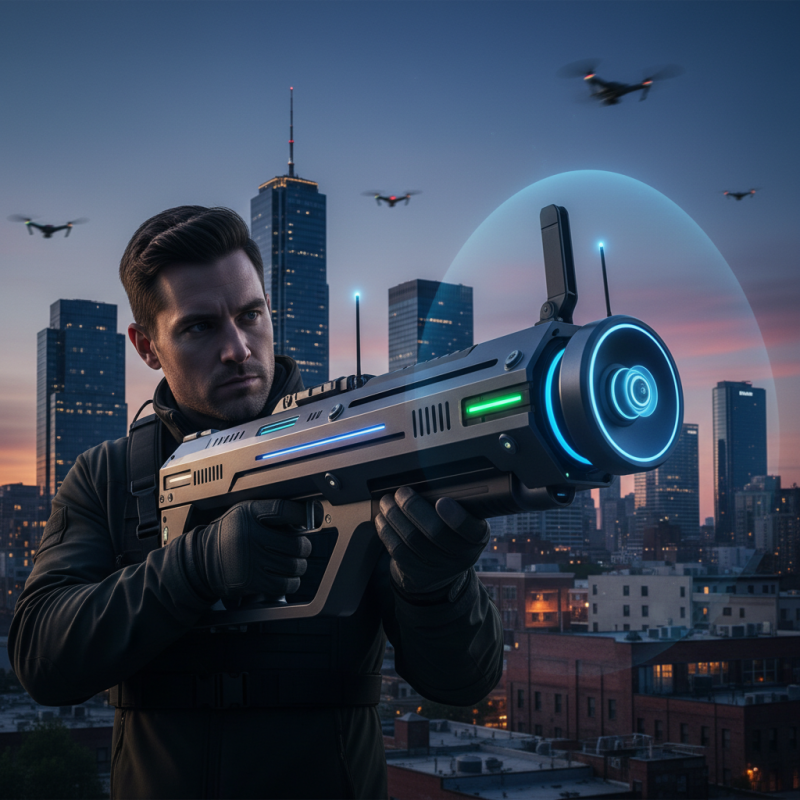
Understanding the Different Types of Anti-Drone Technologies Available Today
When considering anti-drone technologies, it's crucial to understand the various types available today. These devices can be categorized mainly into jamming systems, net guns, and interceptors. Jamming systems disrupt the drone's control signals, effectively bringing it down. However, this method may also interfere with other electronic devices, posing challenges in crowded environments.
Net guns are another option. They physically capture drones and prevent them from flying away. This method can be highly effective but requires a skilled operator to aim accurately. Some devices use nets that entangle drones mid-air, which can be dramatic and effective. Yet, the precision required could lead to missed opportunities if not used properly.
Tip: Evaluate your environment thoroughly before choosing a device. Assess factors like space, potential drone types, and safety protocols. Each option comes with trade-offs. Ensure the device you choose aligns with your specific needs. Think about the ease of use and maintenance, as complicated systems could lead to issues down the line. Always have a backup plan, just in case.
How to Choose the Best Anti Drone Device for Your Needs? - Understanding the Different Types of Anti-Drone Technologies Available Today
| Type of Anti-Drone Technology | Description | Range (meters) | Primary Use Cases | Advantages | Limitations |
| Signal Jamming | Disrupts communication signals of the drone. | 100-300 | Military bases, critical infrastructure. | Effective against many commercial drones. | Can affect other electronic devices. |
| Drone Netting | Physical nets deployed to capture drones. | 50-150 | Event security, prisons. | Environmentally friendly, no collateral damage. | Limited range and not reusable. |
| Directed Energy Weapons | Uses lasers or microwave energy to disable drones. | 500-1000 | Military and defense sectors. | High precision, minimal collateral damage. | High cost and technical complexity. |
| Drone Ramming | Uses another drone to physically collide with the target drone. | 150-400 | Crowd control, sensitive areas. | Can be remotely operated, adaptable. | Requires skilled operators and training. |
| Acoustic Sensors | Detects drone noises and locates their position. | 300-600 | Surveillance, monitoring areas. | Can detect multiple drones at once. | Limited in noisy environments. |
Assessing Your Specific Security Needs: What to Consider
When selecting the best anti-drone device, it's essential to assess your specific security needs carefully. Understanding the type of environment you are protecting plays a critical role. For instance, crowded urban areas may require systems that can detect drones quickly in dynamic settings. A recent report from the Drone Security Council states that 70% of drone incidents occur near large gatherings.
Consider the potential threats you might face. Different devices offer varying levels of countermeasures, from signal jamming to radar systems. Some data suggests that nearly 60% of organizations do not have adequate knowledge of their vulnerability to drone incursions. This gap highlights the need for thorough risk assessment. Engage with security experts who can provide insights tailored to your situation.
Budget constraints also play a significant role in choosing the right device. A more expensive system may offer advanced features, yet smaller operations often compromise on basic security due to cost. Reports indicate that 45% of small businesses lack effective drone protection, leaving them at risk. It's vital to strike a balance between adequate security measures and available resources, ensuring you do not underestimate potential threats.
Evaluating Detection Range and Effectiveness: Key Performance Metrics
When selecting an anti-drone device, evaluating the detection range and effectiveness is crucial. A recent industry report indicated that effective detection ranges for these devices typically span from 300 meters to over 1,500 meters, depending on the technology used. This large variance can impact how well a device protects specific areas, such as urban landscapes or rural environments. Factors like signal interference and drone size can also significantly affect these metrics.
Another key metric is the effectiveness of countermeasures. Some devices may excel in detection but fall short when it comes to neutralizing threats. A study highlighted that only 70% of tested devices successfully disrupted drones at optimal ranges. This underscores the need for thorough testing before implementation. Operators should understand that environmental conditions and the types of drones being countered can alter performance outcomes.
With advancements in technology, many devices now incorporate multi-sensor arrays to improve detection accuracy. However, these systems can be complex. Operators may face challenges in interpreting data from multiple sources. Continuous training and real-world testing are necessary to ensure mastery in their operation. There remains a learning curve even in the best systems, suggesting that user experience plays a vital role in overall effectiveness.
Detection Range and Effectiveness of Anti-Drone Devices
Budget Considerations: Costs Associated with Anti-Drone Solutions
When choosing the best anti-drone device, budget is a crucial factor. Anti-drone solutions can vary widely in price, influenced by technology and features. Basic models may cost a few hundred dollars, while advanced systems can run into thousands. Understanding your budget helps narrow down options. Consider not just the device cost but also installation and maintenance expenses.
It's essential to weigh the value against your specific needs. For instance, if you're securing a small area, a lower-priced option may suffice. However, larger facilities may require a more comprehensive solution, increasing costs. Investing in robust technology might offer better long-term protection but demands careful financial planning.
Keep in mind that choosing a less expensive solution could mean compromising effectiveness. If it underperforms, you could face significant risk. It's beneficial to reflect on the potential consequences of selecting cost over quality. This decision requires a balance between financial constraints and the level of security desired.
Compliance and Regulations: Understanding Legal Limitations in Your Area
When selecting an anti-drone device, understanding the legal landscape is crucial. Many jurisdictions impose restrictions on the use of counter-drone technologies. In the United States, for example, the Federal Aviation Administration (FAA) regulates the use of such devices strictly. Any anti-drone solutions that disrupt air traffic may face significant penalties. A report by the FAA noted that more than 1.5 million registered drones are operating in the U.S., thus highlighting the importance of compliance.
Each area has unique requirements. In the U.K., the Civil Aviation Authority (CAA) has a distinct set of rules. Compliance with local laws ensures safety and reduces liability. Moreover, reports show that unauthorized engagement with drones can lead to legal action. A survey found that 62% of respondents were unaware of their local drone regulations. This lack of awareness can lead to unintentional violations.
Evaluating the compliance aspects helps in risks assessment. Many users may choose devices without fully understanding the legal implications. An industry report indicated that 30% of anti-drone device users faced unforeseen legal issues. Testing a solution in a safe and compliant manner is essential before implementing it widely. Each device comes with operational limitations, making it necessary to continually adapt to evolving legal requirements.