What is Cast Nylon Pipe and Its Benefits for Buyers?
Cast Nylon Pipe has emerged as a popular choice for various industrial applications. This material is known for its durability and versatility. Buyers are often drawn to its impressive performance in harsh environments.
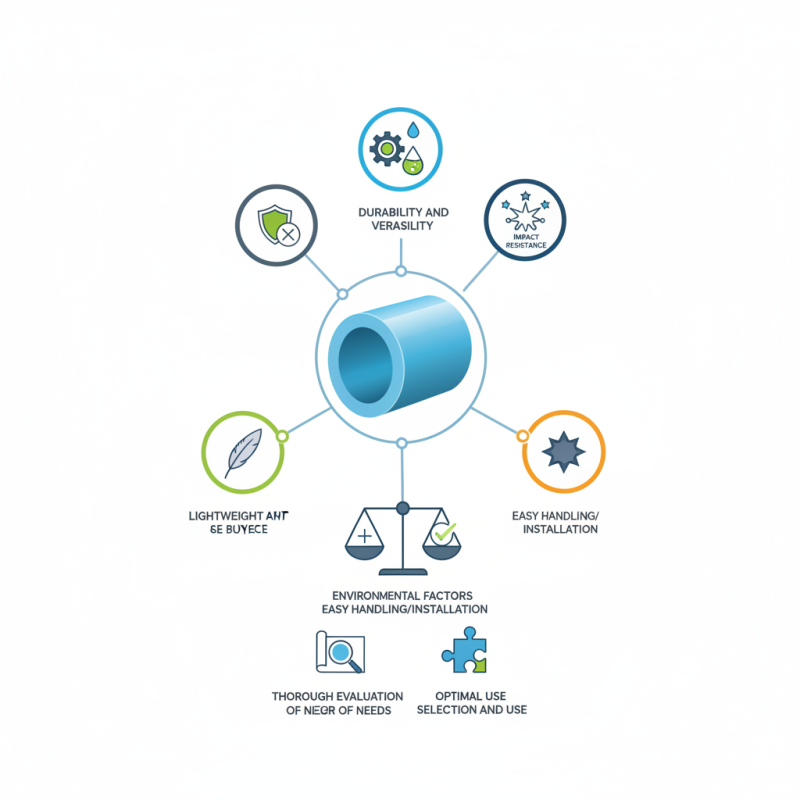
The unique properties of Cast Nylon Pipe include excellent resistance to wear, corrosion, and impact. Its lightweight nature makes handling and installation easier. However, potential buyers should consider the specific requirements of their applications. The benefits can vary based on environmental factors and intended use.
Investing in Cast Nylon Pipe means understanding its strengths and limitations. While this material offers numerous advantages, it may not always be the best option for every project. A thorough evaluation of needs will ensure optimal selection and use.
What is Cast Nylon Pipe?
Cast nylon pipe is a unique product known for its durability and versatility. Made from nylon resin through a casting process, this type of piping offers numerous advantages. It features excellent wear resistance, making it a top choice for various industrial applications. The material is lightweight yet strong, helping manufacturers save on shipping and installation costs. Its ability to withstand harsh environments further adds to its appeal.
When considering cast nylon pipe, remember its temperature resistance. It performs well in various temperature ranges, allowing for diverse applications. Additionally, check for compatibility with chemicals. This will ensure the long-term performance of the pipe in your specific use case. Always consult with a professional to determine the best use.
Despite its many benefits, cast nylon pipe is not without drawbacks. It may not be suitable for all environments or applications. Users should consider factors like exposure to UV light, as it can degrade over time. Regular inspections can help identify wear or damage early on, enabling timely replacements. By understanding both the strengths and limitations of cast nylon pipe, buyers can make informed decisions.
Properties and Composition of Cast Nylon Pipe
Cast nylon pipe is distinguished by its unique composition and properties. This material is primarily made from polyamide, which offers notable strength and durability. According to the American Society for Testing and Materials (ASTM), cast nylon exhibits a tensile strength of up to 14,000 psi and a flexural modulus of around 400,000 psi. These impressive figures illustrate its capability to withstand high stress in various applications.
The composition of cast nylon pipe includes specific additives that enhance its performance. These additives can improve wear resistance and reduce friction. A study by the Plastics Industry Association reported that cast nylon has a lower coefficient of friction compared to traditional metal pipes. This is advantageous in systems requiring smooth, efficient flow. However, issues like moisture absorption can affect dimensional stability. Careful handling and installation are essential to mitigate potential problems.
In terms of thermal properties, cast nylon performs well under elevated temperatures. Its operating range can reach up to 200°F (93°C), making it suitable for hot environments. Despite these benefits, some users report challenges in machining these pipes. The rigidity of cast nylon may require specialized tools and skills. Being aware of these potential drawbacks can aid in making well-informed purchasing decisions.
What is Cast Nylon Pipe and Its Benefits for Buyers? - Properties and Composition of Cast Nylon Pipe
| Property | Description |
| Material Composition | Made from nylon 6 or nylon 66, providing high strength and durability. |
| Thermal Stability | Excellent resistance to heat, making it suitable for high-temperature applications. |
| Chemical Resistance | Resistant to many acids and bases, enhancing longevity in chemical handling applications. |
| Low Friction | Offers low friction properties, improving efficiency in fluid transport. |
| Impact Strength | High impact resistance, reducing the risk of damage during operation. |
| Weight | Lightweight material, which contributes to easier installation and handling. |
| Installation Flexibility | Easy to cut and machine, allowing for flexible installations in various configurations. |
| Environmental Resistance | Good resistance to UV and weathering, making it suitable for outdoor applications. |
Advantages of Using Cast Nylon Pipe for Various Applications
Cast nylon pipe offers numerous benefits for various applications. This versatile material is highly durable and resistant to wear. Its lightweight nature makes installation easier. Additionally, cast nylon can withstand a range of temperatures. This feature is crucial for industries dealing with extreme conditions.
One significant advantage is its excellent chemical resistance. It is suitable for transporting aggressive fluids without degrading. This reliability can reduce maintenance costs. Moreover, the pipe’s low friction coefficient enhances flow efficiency. This is particularly valuable in hydraulic systems.
Tips: Always check the specific chemical compatibility before use. This can prevent unexpected failures. When considering cast nylon pipe, think about the environmental impacts. Make informed choices to ensure sustainability. Evaluate all potential applications thoroughly. This helps in maximizing performance.
Cost Considerations for Buyers of Cast Nylon Pipe
When considering the purchase of cast nylon pipe, understanding cost factors is crucial. Cast nylon pipes are known for their durability and resistance to wear and tear. However, their initial cost can be higher than standard materials. Buyers should weigh the benefits against the price. The longevity of cast nylon often means less frequent replacements. Thus, it can be more cost-effective in the long run.
Another factor to consider is the application. Different industries may require specific grades of nylon. This can affect pricing significantly. Understanding your requirements will help you make informed decisions. Also, don’t forget to evaluate supplier options. Prices may vary based on location and availability.
Tip: Always request samples before committing. This allows for testing in real conditions. Pay attention to installation and maintenance costs as well. Sometimes the hidden costs can add up.
Investing in cast nylon pipes should involve careful planning. Consider not just the upfront expense but also the overall value. Make a list of potential suppliers, and compare their offers thoroughly. Look for those with a proven track record in delivering quality products.
Comparative Analysis with Other Pipe Materials
Cast nylon pipe stands out due to its unique properties. It's lighter than metal and offers excellent flexibility. This flexibility allows for easier installation in tight spaces. Additionally, cast nylon pipes are resistant to abrasion and chemicals. This makes them suitable for various industrial applications, especially where other materials might fail.
Comparatively, steel and PVC pipes may lack the same impact resistance. Steel pipes can corrode or rust over time, leading to failures. PVC, while resistant to chemicals, offers lower strength and flexibility than cast nylon. Buyers often underestimate the long-term benefits of investing in a cast nylon pipe. Its durability can lead to fewer replacements and reduced downtime.
However, casting processes may introduce small imperfections. These are often overlooked but can affect performance. Not all applications may benefit equally from these pipes. Buyers should assess their specific needs carefully. Different environments and pressures may yield different results. Each material has its role, and understanding these dynamics is crucial.
Comparison of Pipe Materials: Cast Nylon vs. Others