2026 Best Power Plant Transformer Options for Global Buyers?
In the rapidly evolving energy sector, choosing the right Power Plant Transformer is vital for operational efficiency. Experts emphasize that “the right transformer can significantly enhance grid reliability.” This statement by Dr. Emily Carter, a leading authority in electrical engineering, highlights the critical role transformers play in power generation and distribution.
With various options available, global buyers must navigate differences in technology, efficiency, and performance. A robust transformer not only supports increasing energy demands but also minimizes downtime. It's essential to focus on quality and reliability, as poor choices can lead to costly failures.
As we look toward 2026, the need for informed decision-making in selecting Power Plant Transformers becomes even more paramount. The landscape is changing, and buyers must adapt to new technologies and standards. Being proactive can help manage potential risks and ensure successful investments in power infrastructure.
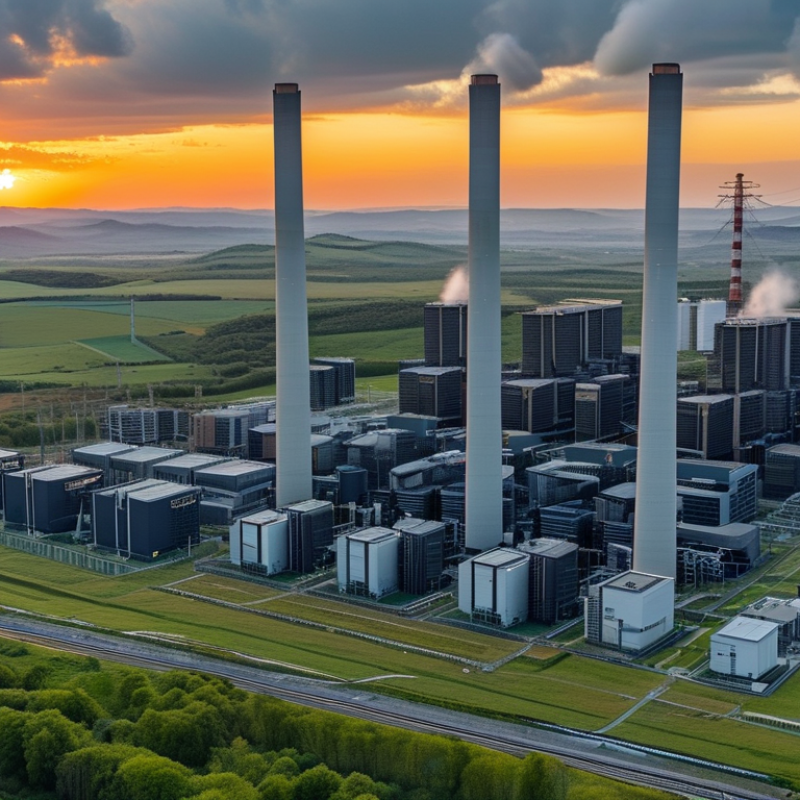
Overview of Power Plant Transformers and Their Importance
Power plant transformers play a critical role in the modern energy landscape. These devices step up or step down voltage levels, ensuring electricity is transmitted efficiently. Transformers also improve grid reliability and stability, reducing losses during transmission. Their design is based on advanced technology tailored to specific needs.
Choosing the right transformer is not purely technical; it involves understanding operational needs and environmental conditions. Factors like load requirements and local climate can impact performance. Sometimes, inefficiencies surface due to mismatched specifications or installation flaws. Even with robust engineering, challenges like maintenance and unexpected failures can arise.
In a world leaning toward renewable energy, transformers must adapt. Integration with solar or wind power grids demands versatility. Innovations are vital for future developments. Seeking out options that align with evolving energy demands is essential. Proactive approaches in selection and deployment can lead to enhanced operational effectiveness.
Key Features to Consider When Selecting Transformers for Power Plants
When selecting transformers for power plants, several key features demand attention. Efficiency stands at the forefront. Highly efficient transformers reduce energy losses and operational costs. Look for designs that offer minimal heat generation. A transformer’s lifespan is another critical factor. Durable materials and robust construction contribute to longevity. Regular inspections help in identifying potential weaknesses.
The transformer's voltage rating is essential. Ensure it aligns with the plant’s operational requirements. This can prevent costly downtime. Additionally, consider the cooling method employed. Air-cooled transformers are popular but may not be suitable for every environment. Examine potential site conditions. Environmental factors like temperature and humidity can impact performance.
Integration with existing systems also matters. Compatibility can ease installation and increase reliability. Engage with experienced professionals for assessments. They can provide insights tailored to specific needs. The selection process can be complex. Companies should prioritize discovering and rectifying weaknesses in their approach to transformer selection.
Comparative Analysis of Transformer Types for Global Buyers
When analyzing transformer types for power plants, several criteria emerge as essential for global buyers. The three primary transformer types are oil-filled, dry-type, and gas-insulated. Each type has unique advantages and disadvantages, making the choice critical based on operational needs.
Oil-filled transformers dominate the market due to their cooling efficiency and capacity to handle high loads. According to industry reports, they typically exhibit lower operational losses, around 98-99%. However, they require extensive maintenance and pose environmental risks. Dry-type transformers, while safer and more eco-friendly, have lower capacity ratings. They are rated for around 500 kVA to 10 MVA and are suitable for indoor installations.
Gas-insulated transformers have emerged as innovative solutions, especially in urban environments. They require less space and are highly reliable. Studies show a growing preference for gas-insulated transformers, projected to reach a market size of USD 14 billion by 2025. Yet, their high initial investment costs can deter buyers. Each transformer's choice should reflect both technical specifications and long-term operational strategies, presenting a complex decision-making landscape for buyers.
2026 Best Power Plant Transformer Options for Global Buyers
Future Trends in Power Plant Transformer Technology and Innovations
The future of power plant transformers is set for significant advancements. Innovations focus on efficiency, sustainability, and reliability. Smart technologies are emerging in this sector. Sensors and digital monitoring systems are increasingly integrated into transformers. This allows for real-time data analysis, leading to proactive maintenance and reduced downtime.
Tips for selecting a transformer include assessing the plant's specific needs. Consider the voltage requirements and load capacity. Conducting a detailed site assessment helps in choosing the right technology. Additionally, explore options for modular designs. They offer flexibility and easier upgrades as technology evolves.
An important trend is the shift towards eco-friendly materials. Manufacturers are exploring alternatives to traditional insulation oils. This move aims to minimize environmental risks. It’s crucial to evaluate the long-term impacts of new technologies. While progress is promising, the industry must address potential drawbacks in implementation. Keeping informed about the latest trends ensures better decision-making for long-term investments in transformer technology.