Best Media Converters for Seamless Connectivity Solutions?
In today's digital landscape, seamless connectivity is crucial for businesses and homes alike. Media converters play a vital role in this process. They bridge the gap between various media types, ensuring reliable data transmission. From copper to fiber optics, choosing the right media converters can significantly impact network performance.
Many rely on media converters for efficient communication. Yet, not all devices are created equal. Options vary widely, leading to confusion. It's essential to consider factors such as compatibility, speed, and distance. Making the wrong choice can result in downtime or degraded performance. Frustration often stems from these pitfalls, highlighting the need for informed decisions.
As technology evolves, so do the demands on our networks. Increasing data traffic requires robust solutions. Media converters are a cost-effective way to enhance connectivity. However, users must remain vigilant and select the best options available for their unique needs. Understanding the landscape of media converters can empower users to optimize their networks effectively.
Overview of Media Converters and Their Importance
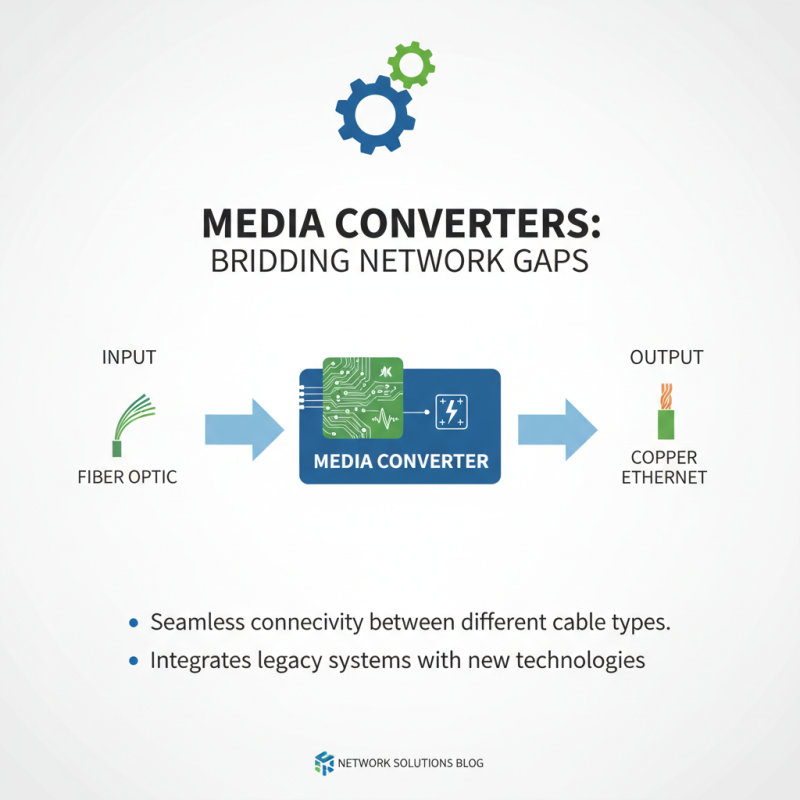
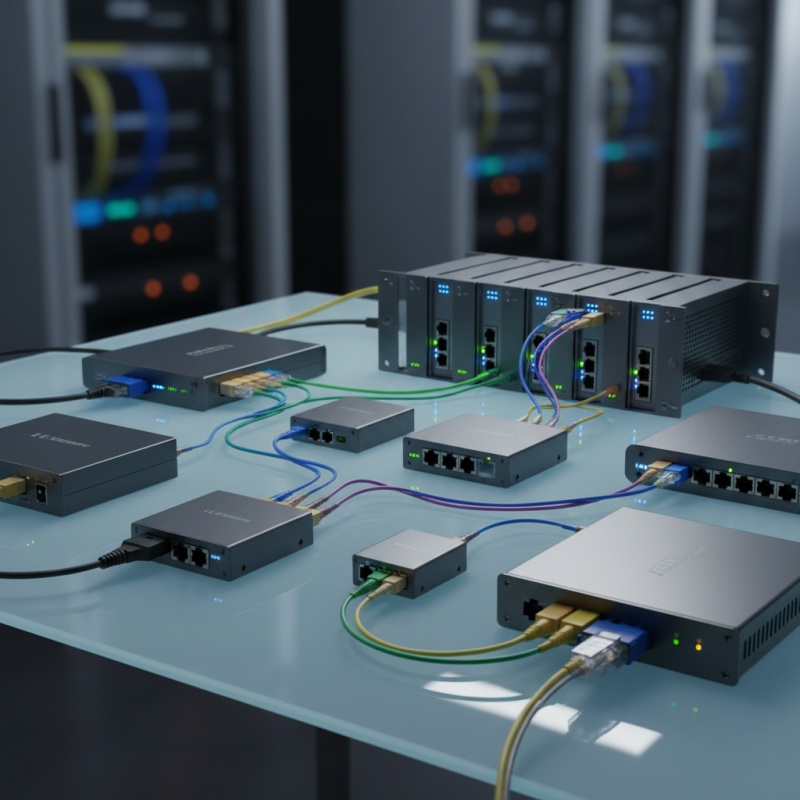
Media converters play a crucial role in modern networking. They bridge different media types, such as fiber to copper. This allows seamless data transmission across various distances. In an age where communication is vital, their importance cannot be overstated. They ensure reliable connections, even in complex setups.
Many organizations rely heavily on these devices. Without them, outdated technology would hinder progress. A media converter can handle various formats, ensuring compatibility. However, challenges arise. Not every converter fits every scenario. Understanding specific needs is essential. Some converters may introduce latency, which can affect real-time applications.
Moreover, user experience varies. Some users find installation tricky. Others struggle with configuration. Technical support is often needed. Learning curves exist, and frustration may follow. Yet, the benefits are significant. These devices enable adaptability and future-proofing of network infrastructure. Networking professionals must weigh options carefully.
Types of Media Converters: Analog, Digital, and Fiber Optic
Media converters play a crucial role in modern networking. They bridge different transmission types, ensuring seamless connectivity. There are three primary types: analog, digital, and fiber optic media converters. Each type serves unique functions, but they all aim to enhance communication.
Analog media converters translate signals for various devices. They are often used in audio and video applications. However, they can suffer from signal degradation. Users may find that quality fluctuates.
Digital media converters, on the other hand, handle data signals. They provide cleaner transmission over long distances. Yet, they may not fully support older technology, causing compatibility issues.
Fiber optic media converters are the most advanced. They use light for data transmission. This results in faster speeds and higher bandwidth. Sadly, they can be more expensive. Businesses need to weigh the costs against the benefits. Each type has its advantages and challenges. It's essential to choose the right converter for your needs. Understanding these differences can lead to better connectivity solutions.
Key Features to Look for in Media Converters
When selecting a media converter, consider essential features that ensure effective connectivity. First, check the data rate support. It should match your network needs. Look for converters that handle Gigabit speeds if you expect high performance. This capability will boost your network efficiency significantly.
Next, consider the distance coverage. Some media converters can transmit signals over long distances. This feature is crucial for larger setups where devices are spread out. Look for models with extended range. They should maintain signal integrity without degrading quality.
**Tip:** Always verify compatibility with existing equipment. Not all media converters support every protocol. Compatibility issues can lead to frustration and additional costs.
Power redundancy is another factor worth noting. Some devices offer dual power inputs. This feature enhances reliability during power outages. It’s a small detail that can make a big difference.
**Tip:** Read reviews before making a choice. Feedback from current users can highlight issues you may overlook. Quality varies, and personal experiences often reveal hidden flaws.
Top Brands and Models for Reliable Connectivity Solutions
Choosing the right media converter is essential for seamless connectivity. Various models exist on the market, each offering unique features. Some are designed for robust applications, while others focus on simple multimedia solutions. Identifying your specific need can make a difference.
There are factors to consider. Speed is crucial, but so is compatibility. Not all converters work well with every device. A piece that seems perfect might have flaws. Users often overlook this aspect. Additionally, some models can be quite bulky, impacting space.
Many converters also come with user reviews indicating reliability. It’s vital to read those reviews. They often shine light on potential issues. Sometimes, a lack of warranty coverage leads to frustration down the road. Take your time to analyze your options before making a decision.
Best Media Converters for Seamless Connectivity Solutions
| Model |
Type |
Max Distance |
Speed |
Power Supply |
| MC-X1 |
Fiber to Ethernet |
20 km |
1000 Mbps |
External |
| MC-X2 |
Ethernet to Fiber |
15 km |
100 Mbps |
Internal |
| MC-X3 |
Coax to Ethernet |
10 km |
10 Mbps |
External |
| MC-X4 |
HDMI to Ethernet |
5 km |
4K @ 60Hz |
Internal |
| MC-X5 |
USB to Ethernet |
3 km |
100 Mbps |
External |
Applications and Use Cases for Media Converters in Networking
Media converters play a crucial role in modern networking. They enable seamless connectivity between different types of network mediums. For example, they can connect fiber optic cables to copper Ethernet networks. This is essential in environments where legacy systems must integrate with newer technologies.
In real-world applications, media converters are used in various industries. Educational institutions often rely on them to bridge older infrastructure with new installations. Healthcare facilities utilize these devices to ensure reliable data transmission between sensitive medical equipment and central databases. Even in smart buildings, media converters help maintain communication across diverse systems, though compatibility issues can arise.
Despite their benefits, media converters sometimes present challenges. Installation can be tricky, and not all devices communicate well together. Additionally, network performance may degrade if not properly configured. Managing these converters requires planning, which can be a daunting task for IT professionals. Understanding the specific use case is vital for successful deployment.