Top 10 Benefits of Using Stainless Steel Grating for Your Projects?
Stainless Steel Grating is a versatile and durable solution for various projects. It offers numerous advantages that can significantly impact your design, construction, or maintenance tasks. The material is known for its strength and resistance to corrosion, ensuring longevity in challenging environments.
Utilizing Stainless Steel Grating can enhance safety in industrial and commercial settings. Its open design reduces the risk of slips and falls. Additionally, the grating allows debris and liquids to flow through, promoting cleanliness and hygiene. These factors are particularly valuable in places like food processing facilities or wastewater treatment plants.
While there are many benefits, some may find the initial costs to be higher than other materials. However, the long-term savings in durability and maintenance often outweigh this concern. Understanding these aspects can lead to informed choices in your projects, making Stainless Steel Grating a reliable ally in achieving your goals.
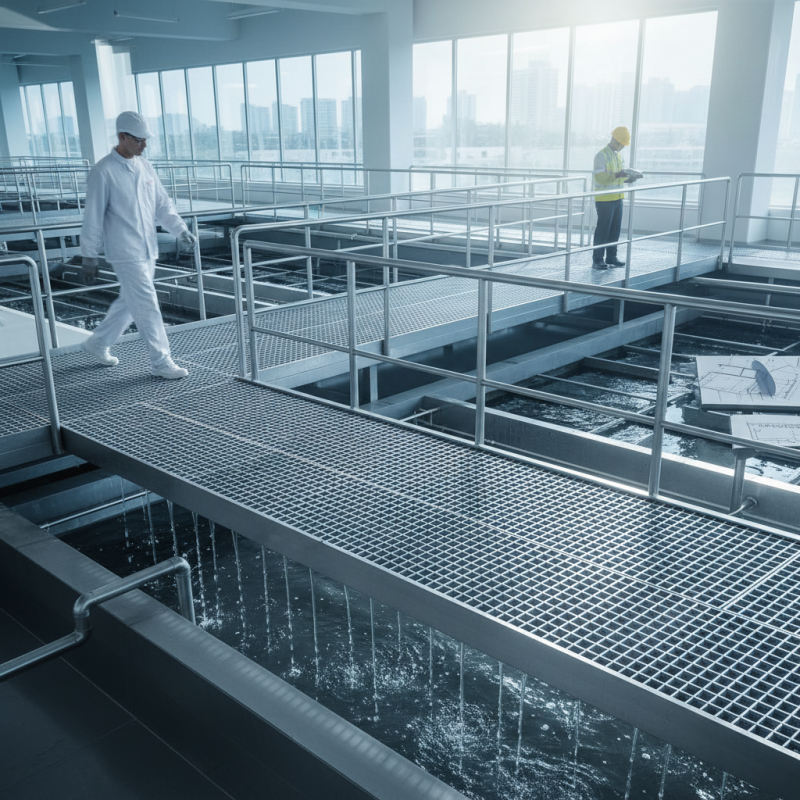
Advantages of Durability and Longevity of Stainless Steel Grating
Stainless steel grating is known for its impressive durability and longevity. This material offers high resistance to corrosion, making it ideal for harsh environments. According to a report by the American Institute of Steel Construction, stainless steel can last over 50 years without significant wear in appropriate conditions. This longevity translates to reduced replacement costs and less labor over time.
Another advantage is its ability to withstand heavy loads without bending or breaking. Many industries rely on this feature for safety and functionality. For example, industrial applications require sturdy materials to support machinery. Stainless steel grating provides that strength, reducing the risk of accidents. Regular inspections are essential, though, to ensure the grating remains intact over many years.
Tip: When choosing stainless steel, consider factors like grade and finish. Not all grades are suitable for every application. Proper selection can enhance performance and increase the lifespan.
It’s also important to remember that cleanliness affects longevity. Accumulated debris can lead to rust spots. Washing the grating regularly can help maintain its appearance and integrity. A little effort in maintenance can go a long way in preserving the benefits of your stainless steel grating.
Enhanced Safety Features of Stainless Steel Grating in Various Environments
Stainless steel grating offers remarkable safety features in diverse environments. This material is resistant to corrosion, making it suitable for wet and hazardous areas. Industrial settings benefit from its ability to withstand heavy loads. Workers can walk confidently on these gratings, reducing slip risks. The open design also allows for excellent drainage, preventing water accumulation.
In food processing or pharmaceutical industries, hygiene is critical. Stainless steel is easy to clean, which enhances safety standards. However, one must ensure that the surface is not damaged, as scratches can harbor bacteria. Regular inspections are essential to maintain its safe use.
Despite its advantages, stainless steel grating is not infallible. Improper installation may lead to issues over time. Some users overlook the importance of correct spacing between the bars, which can affect safety and performance. Awareness of these details is vital for maximizing the benefits of stainless steel grating in any project.
Top 10 Benefits of Using Stainless Steel Grating
This chart illustrates the top 10 benefits of using stainless steel grating in various projects, highlighting their important features in terms of durability, safety, and other key aspects.
Resistance to Corrosion and Chemical Damage of Stainless Steel Grating
When considering materials for construction and industrial applications, stainless steel grating stands out for its impressive resistance to corrosion and chemical damage. A report by the Corrosion Engineering Society indicates that stainless steel can last up to 100 years in harsh environments. This longevity is a direct result of its ability to withstand salty and acidic conditions.
In environments prone to spills and exposure to harsh chemicals, the use of stainless steel grating minimizes risk. According to a study by the Industrial Steel Foundation, stainless steel grates have shown a reduction in maintenance costs by as much as 30%. Their non-reactive surface can handle substances like solvents, oils, and acids without degradation. This results in enhanced safety and lower replacement frequencies.
Tip: Regular inspections can help identify early signs of wear, even in stainless steel installations.
However, it’s important to consider the context of use. While stainless steel offers many advantages, it may not be the best choice in every scenario. Application-specific assessments are crucial.
Tip: Always consult with material specialists for tailored advice. The right choice depends on environmental factors and budget constraints.
Eco-Friendly Aspects of Using Stainless Steel Grating in Construction Projects
Stainless steel grating is gaining attention for its eco-friendly properties in construction. It is 100% recyclable. This means that at the end of its life cycle, it can be repurposed rather than ending up in landfills. Through this recycling process, energy consumption is significantly reduced, minimizing carbon footprints.
Using stainless steel grating can also lead to less waste in production. The durability of stainless steel means longer-lasting materials. This durability reduces the frequency of replacements and repairs needed over time. Additionally, the manufacturing process is becoming more efficient, causing less environmental impact.
However, applying stainless steel grating is not without challenges. The initial cost may deter some projects. It is essential to carefully evaluate budget constraints against long-term savings. Understanding the balance between upfront investments and sustainability is crucial. This reflection can lead to smarter, more environmentally friendly choices in construction.
Versatility of Stainless Steel Grating in Different Applications and Designs
Stainless steel grating is increasingly versatile in various applications. Its resistance to corrosion makes it suitable for both indoor and outdoor projects. According to a report from the American Iron and Steel Institute, stainless steel grating can extend the life of structures by up to 50%. This longevity is crucial in environments that face harsh weather or industrial conditions.
The design flexibility of stainless steel grating is another major advantage. It can be customized to fit different load requirements and aesthetic preferences. Architects value this material for its ability to blend functionality with style. In commercial kitchens, for instance, it is used for walkways and drainage systems, ensuring safety and hygiene. However, not all designs prioritize the same features. Certain installations may overlook weight capacity, which can lead to premature failure under heavy loads.
Its lightweight nature allows easy installation, reducing labor costs. Stainless steel grating can be fabricated into various shapes, enhancing its applicability across industries like manufacturing and construction. Despite these benefits, there’s a tendency for users to underestimate maintenance needs. Regular inspections are essential, especially in high-traffic areas. Failing to do so can compromise safety. Therefore, adopting a proactive approach is essential for maximizing the benefits of stainless steel grating.